One hundred and three mausoleums,
from Marrakesh to Dhaka
More than a thousand years of tombs, from a tenth-century brick cube in Bukhara to the twentieth-century mausoleums of Rabat and Karachi.
Turn a building in 3D or look around it in a 360° photograph, and step inside wherever the interior has been scanned or photographed. Every fact on these pages is cited.
103 places24 countries892–1970 CE37 you can enter
Drag to turn the globe. Point at a dot to see which mausoleum it marks; click to open it.Tap a dot to see its name, then tap the name to open it.Land and lakes: Natural Earth (public domain). Orthographic projection.
The plates
In order of construction
No place matches. Try another name or clear the filters.
-
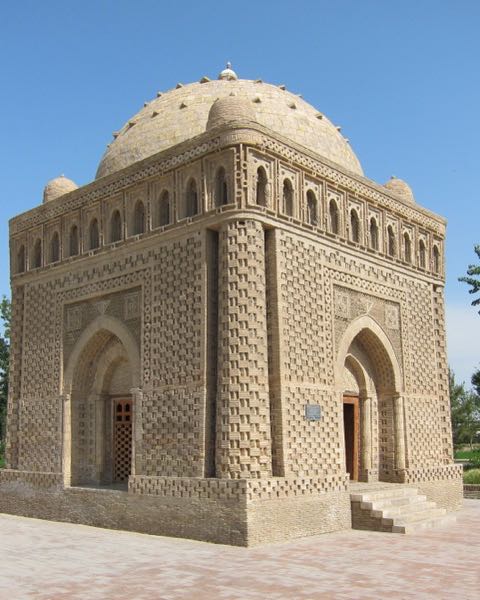 3DA compact 10th-century tomb of patterned baked brick built for the Samanid dynasty, one of the earliest surviving Islamic mausoleums and a highlight of historic Bukhara.
ISamanid Mausoleum
الضريح الساماني
-
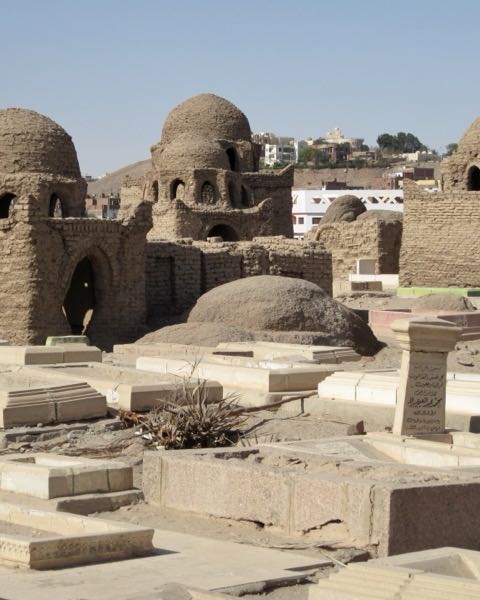 360°The southern, best-preserved part of Aswan’s early Islamic necropolis: mud-brick tombs and domed mausolea, mostly Fatimid, listed by UNESCO in 1979 as the “Islamic Cemetery”.
IIFatimid Cemetery of Aswan
المقابر الفاطمية بأسوان
-
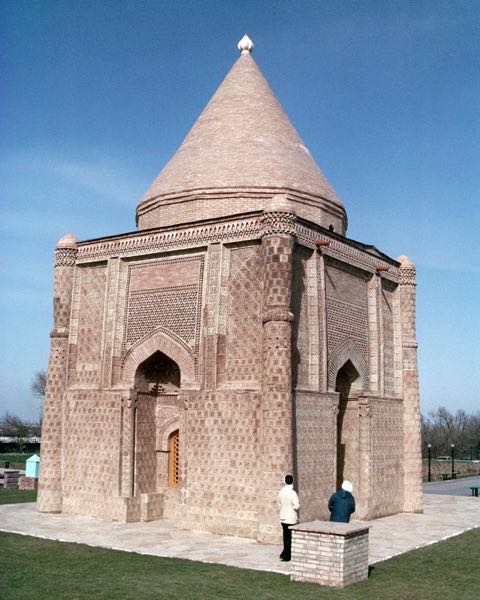 3DA small square tomb near Taraz, faced with carved terracotta tiles in more than 60 designs; legend links it to Aisha Bibi, but who is buried here is unknown.
IIIAisha Bibi Mausoleum
ضريح عائشة بيبي
-
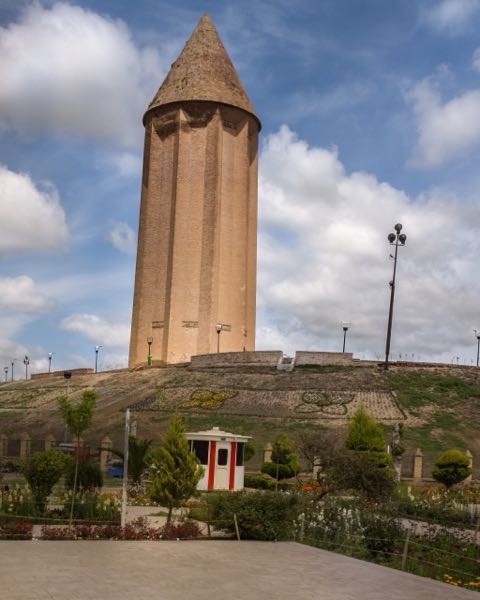 360°A 53 m tomb tower of unglazed brick on a ten-pointed star plan, ordered in 1006-1007 by the Ziyarid emir Qabus ibn Voshmgir near his capital, Jorjan.
IVGonbad-e Qabus
برج قابوس
-
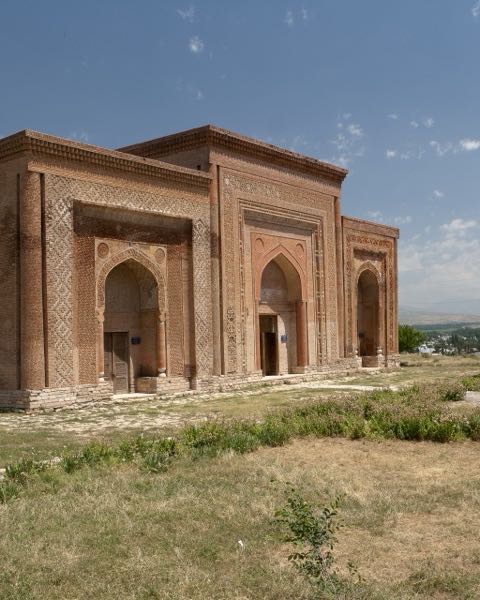 3DThree Karakhanid tombs of fired brick standing side by side in Uzgen, dated from the 11th century to 1186-87 and decorated with carved brick, terracotta and carved plaster.
VKarakhanid Mausoleums of Uzgen
أضرحة القراخانيين في أوزكند
-
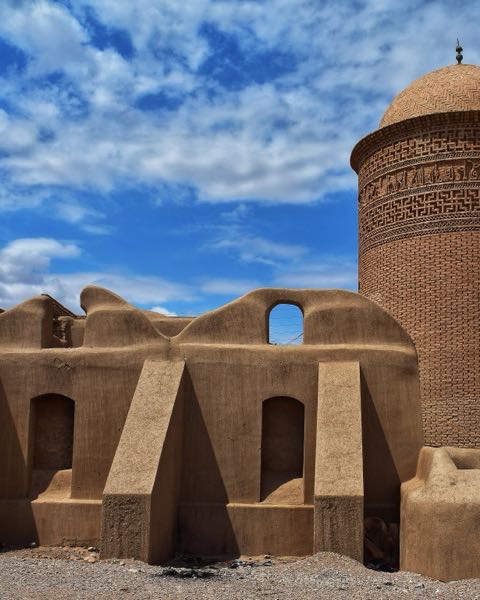 A brick tomb tower in Damghan, built in 1026-27 by the Ziyarid governor Abu Harb Bakhtiyar for his father, with bands of Kufic script and patterned brickwork below its dome.
VIPir-e Alamdar Tower
ضريح بير علمدار
-
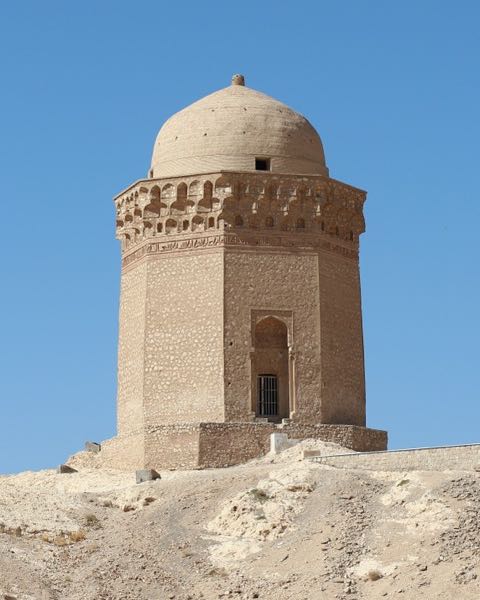 An octagonal tomb tower of rubble stone on a rocky spur outside Abarkuh, built in the 1050s and crowned by a tall muqarnas cornice.
VIIGonbad-e Ali
قبة عالي
-
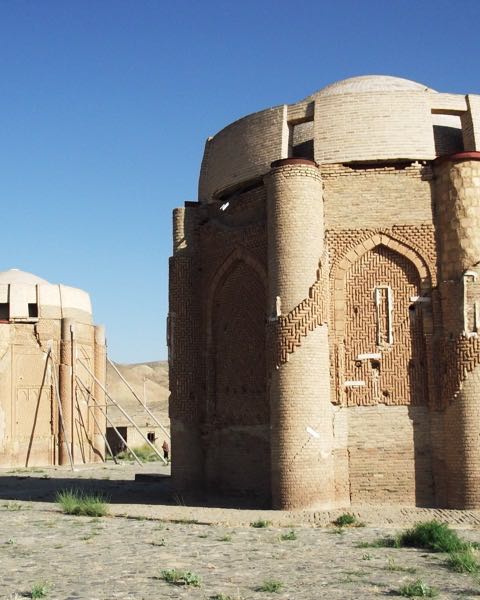 360°Two octagonal brick tomb towers of 1067-68 and 1093-94 at Kharraqan in Qazvin province, faced with varied geometric brickwork and badly damaged by the 2002 earthquake.
VIIIKharraqan Towers
برجا خراقان
-
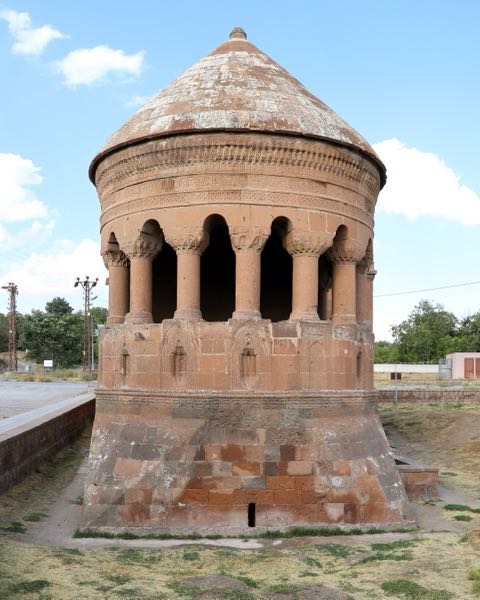 360°A medieval Muslim cemetery on the shore of Lake Van, with carved gravestones up to 3.50 m high and stone tomb towers of the 13th to 15th centuries.
IXAhlat Seljuk Cemetery and Kümbets
مقبرة أخلاط السلجوقية وقبابها
-
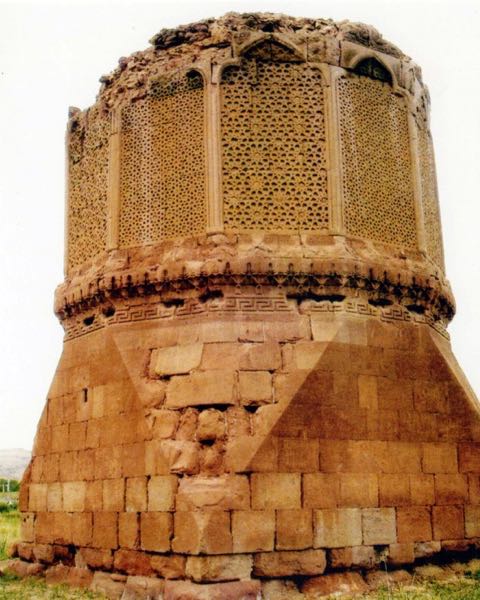 A twelve-sided red sandstone tomb tower on a cut-stone base in Julfa district, dated to the 12th or early 13th century and carved with patterns shared with Ajami’s tombs.
XGulustan Mausoleum
ضريح غولستان
-
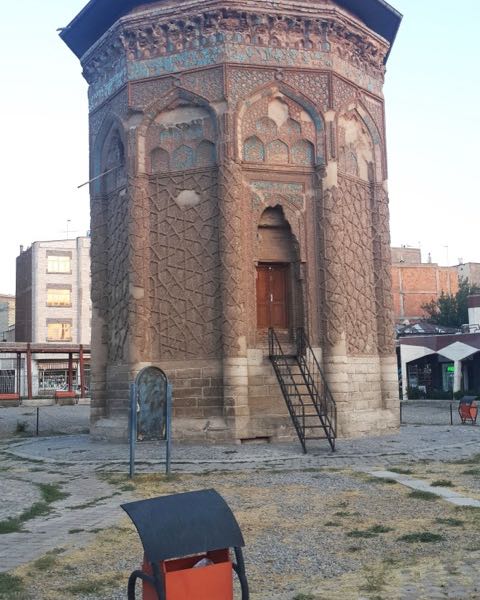 360°Four medieval tomb towers in Maragheh, dated from 1148 to the early 14th century, among them the decagonal brick Gonbad-e Kabud (1196-97) with its interlaced-pentagon patterns.
XITomb towers of Maragheh
الأبراج الضريحية في مراغة
-
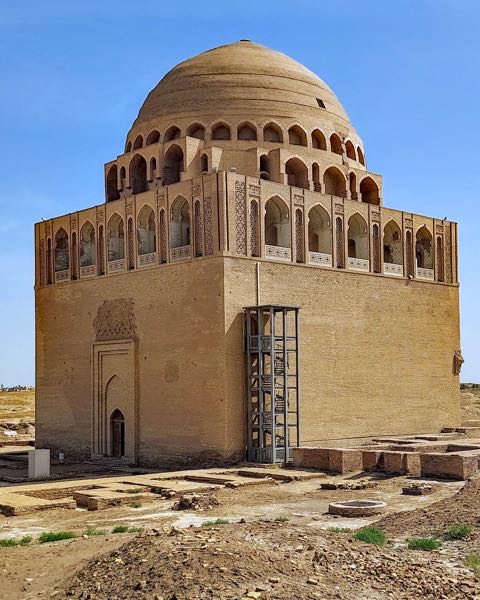 360°A cube-like brick mausoleum crowned by a dome and an arcaded gallery, built in the mid-12th century for the Seljuk sultan Sanjar at the centre of Merv.
XIIMausoleum of Sultan Sanjar
ضريح أحمد سنجر
-
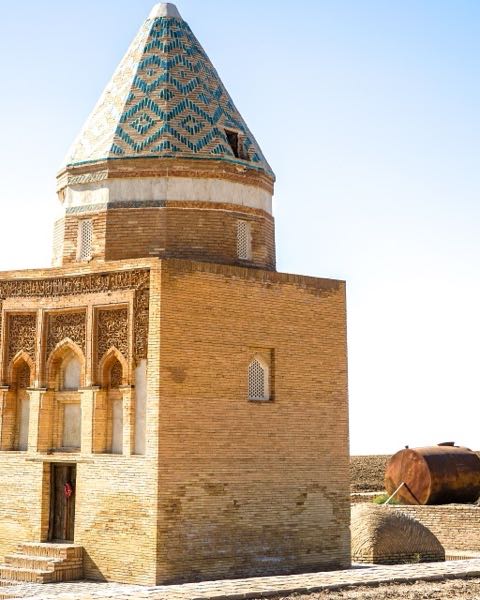 Two brick tombs with tiled conical roofs in ruined Gurganj, traditionally those of the Khwarazmshahs Il-Arslan and his son Tekesh; ICOMOS dates them to about 1150 and 1195.
XIIIMausoleums of Il-Arslan and Tekesh
ضريحا إل أرسلان وتكش
-
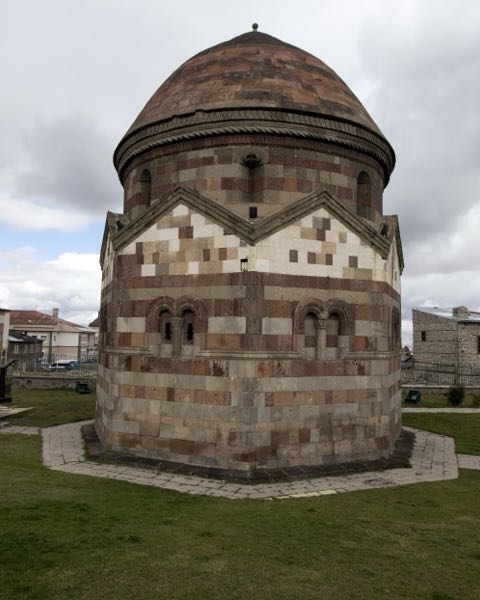 360°An octagonal stone tomb in Erzurum, the largest of the Üç Kümbetler, traditionally linked to the Saltukid dynasty and carved with animals in the niches of its drum.
XIVEmir Saltuk Kümbeti (Üç Kümbetler)
ضريح الأمير سلتوق (القباب الثلاث)
-
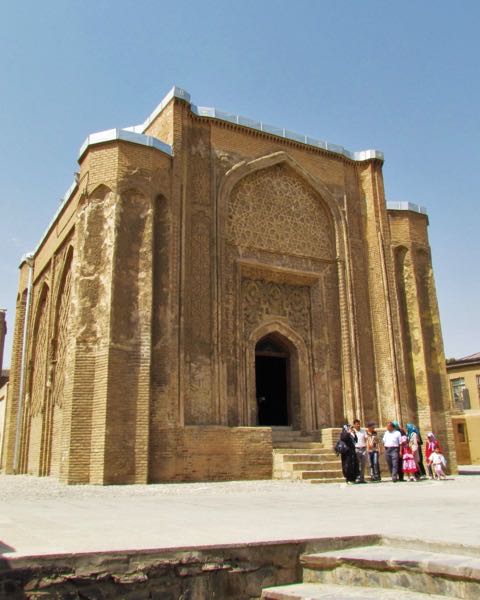 360°A square brick tomb in Hamadan, known as the ’Alawiyan family’s mausoleum, decorated inside and out with high-relief stucco; scholars date it between the 12th and early 14th centuries.
XVGonbad-e Alavian
قبة علويان
-
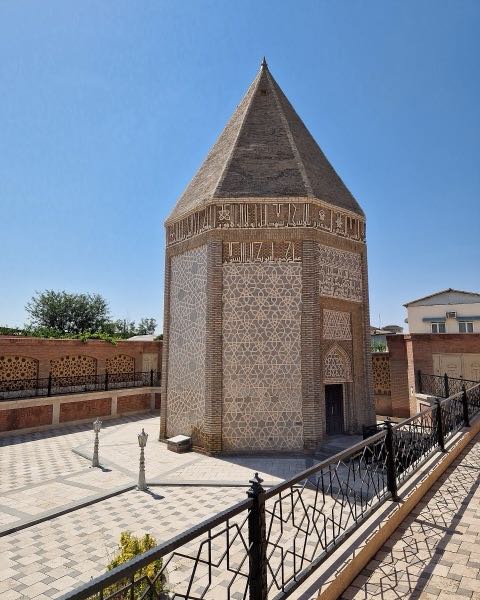 An octagonal brick tomb tower in Nakhchivan, dated 1162 and signed by Ajami ibn Abi Bakr, which keeps its original pyramidal roof.
XVIYusif ibn Kuseyir Mausoleum
ضريح يوسف بن كوسير
-
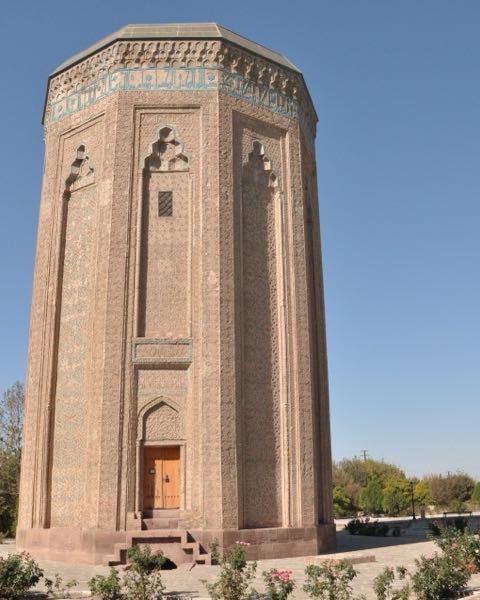 360°A ten-sided brick tomb tower over a crypt, finished in 1186 for Momine Khatun, wife of the atabeg Eldiguz, by the Nakhchivan builder Ajami ibn Abi Bakr.
XVIIMomine Khatun Mausoleum
ضريح مؤمنة خاتون
-
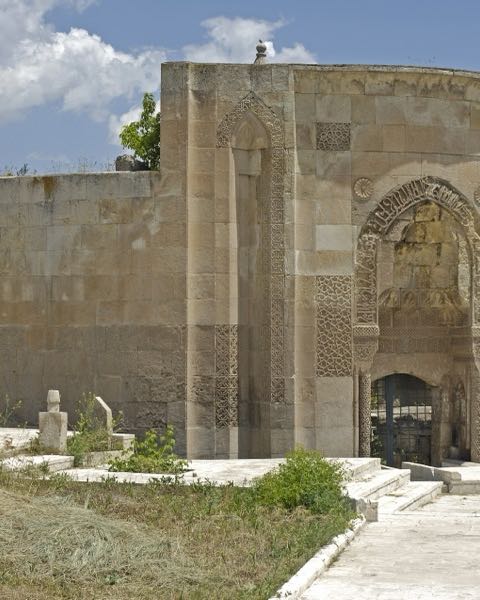 A fluted tomb tower inside a round, niched wall at Tercan, signed by a builder from Ahlat and traditionally the tomb of the Saltukid ruler Mama Hatun.
XVIIIMama Hatun Kümbeti
ضريح ماما خاتون
-
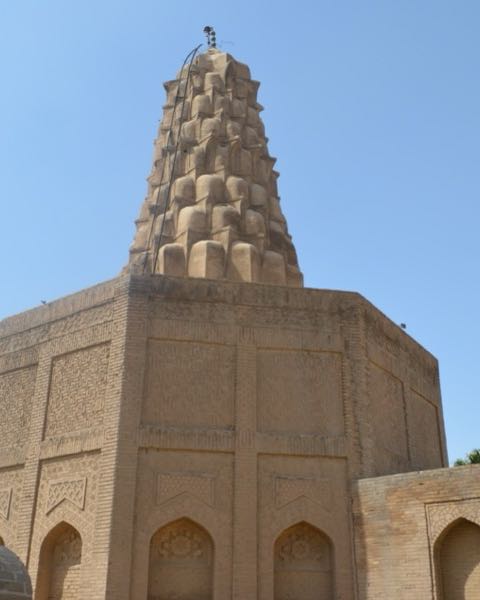 A late Abbasid brick tomb under a conical muqarnas dome, in a cemetery on Baghdad’s west bank, identified since 1947 as that of Zumurrud Khatun, mother of Caliph al-Nasir.
XIXTomb of Zumurrud Khatun
ضريح زمرد خاتون
-
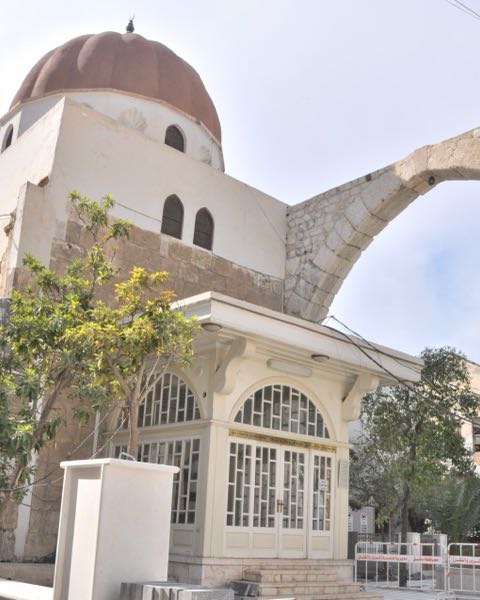 360°Saladin’s tomb in Damascus: a domed square chamber beside the Umayyad Mosque, built by his son al-Afdal in 1193-1196, that still holds his carved Ayyubid wooden cenotaph.
XXMausoleum of Saladin
ضريح صلاح الدين الأيوبي
-
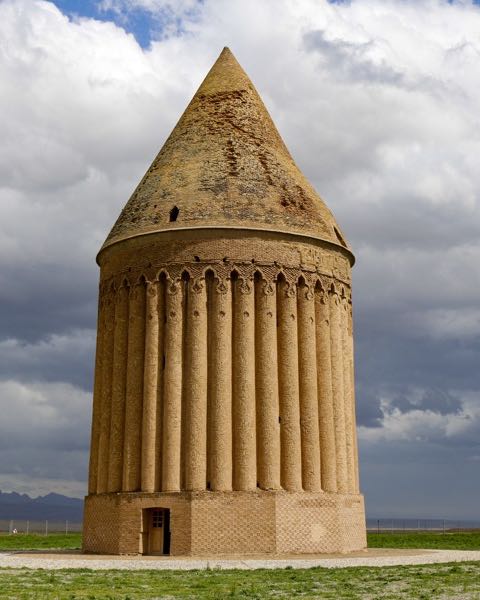 360°A fluted brick tomb tower with a conical roof on the old Radkan meadow north of Mashhad, built in the 13th century; its damaged inscription leaves date and owner uncertain.
XXIRadkan Tower
برج رادكان
-
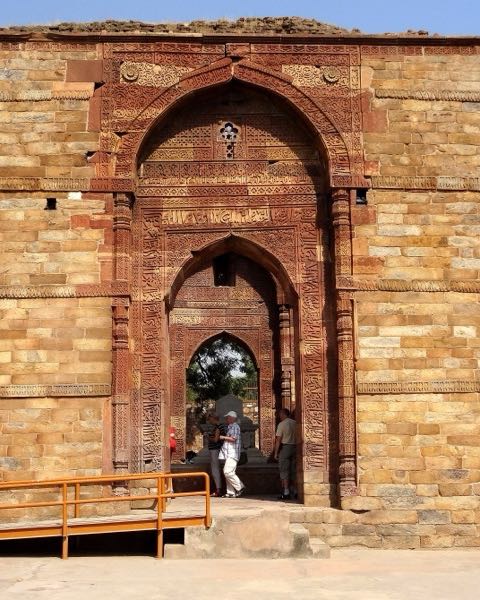 360°Dated 1235, Sultan Iltutmish’s roofless square tomb in Delhi’s Qutb complex has an interior carved with Quranic inscriptions; UNESCO says it began India’s tradition of royal tombs.
XXIITomb of Iltutmish
ضريح إلتتمش
-
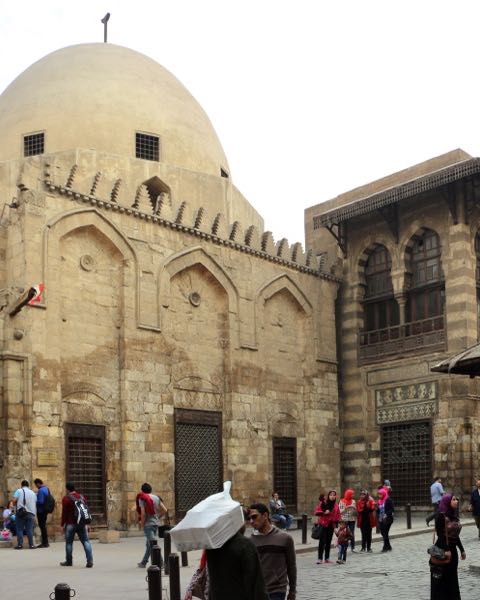 360°Tomb of the Ayyubid sultan al-Salih Najm al-Din Ayyub, built by his widow Shajar al-Durr in 1249-1250 against the madrasa he had founded on al-Mu'izz Street.
XXIIIMausoleum of al-Salih Najm al-Din Ayyub
ضريح السلطان الصالح نجم الدين أيوب
-
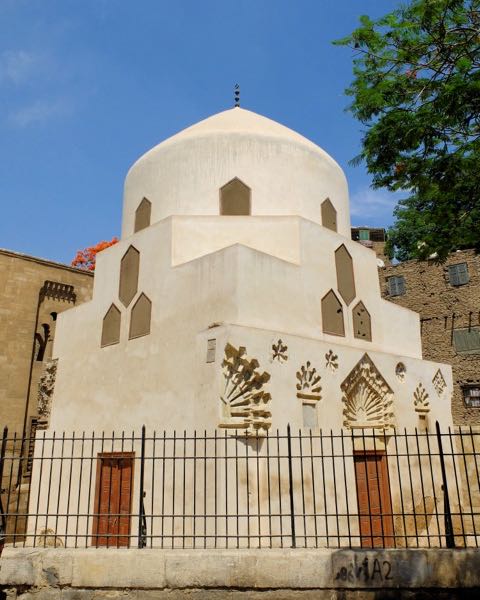 3DDomed tomb that Shajar al-Durr, Egypt’s sultan for less than three months in 1250, built for herself on al-Khalifa Street, its glass-mosaic mihrab showing a tree of pearls.
XXIVMausoleum of Shajar al-Durr
قبة شجر الدر
-
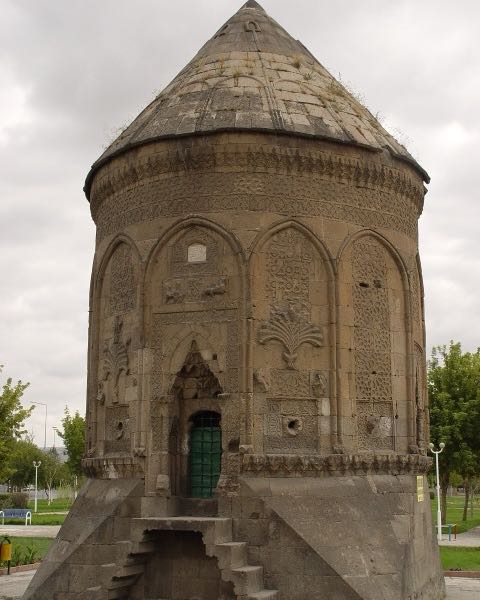 3DA twelve-sided stone tomb tower of the Anatolian Seljuk period in Kayseri, built for a woman named Şah Cihan Hatun and richly carved with eagles, lions and trees.
XXVDöner Kümbet
دونر كومبت
-
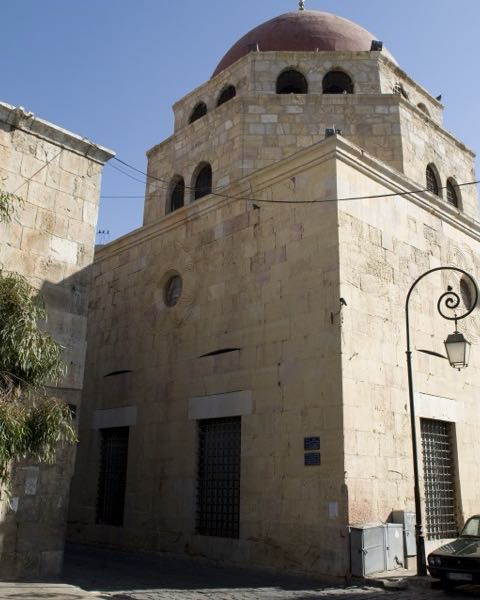 360°The Mamluk sultan Baybars’s domed tomb in Damascus, begun by his son in 1277 and decorated under Qalawun in 1281 with marble panelling and glass mosaic.
XXVIMausoleum of Sultan Baybars (al-Madrasa al-Zahiriyya)
ضريح السلطان الظاهر بيبرس (المدرسة الظاهرية)
-
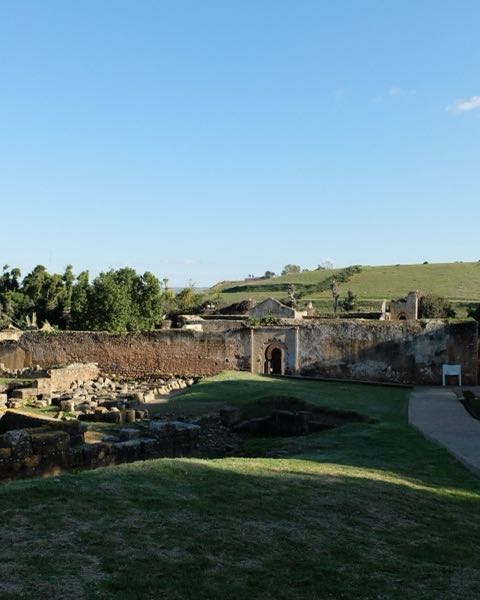 3DRoyal necropolis of the Marinid sultans on the ruins of Roman Sala in Rabat; its walls were completed in 1339 and it holds Abu al-Hasan’s tomb chamber.
XXVIIChellah Necropolis
مقبرة شالة
-
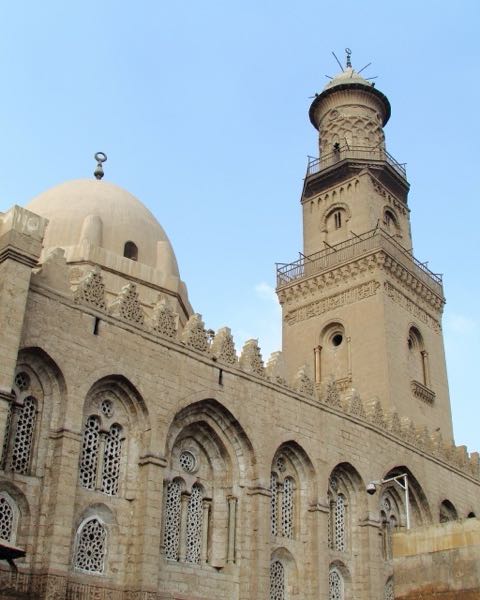 360°Domed tomb of the Mamluk sultan Qalawun, built in 1284-1285 with a madrasa and hospital on Cairo’s al-Mu'izz Street; an octagon of columns and piers carries the dome.
XXVIIIMausoleum of Sultan Qalawun
ضريح السلطان المنصور قلاوون
-
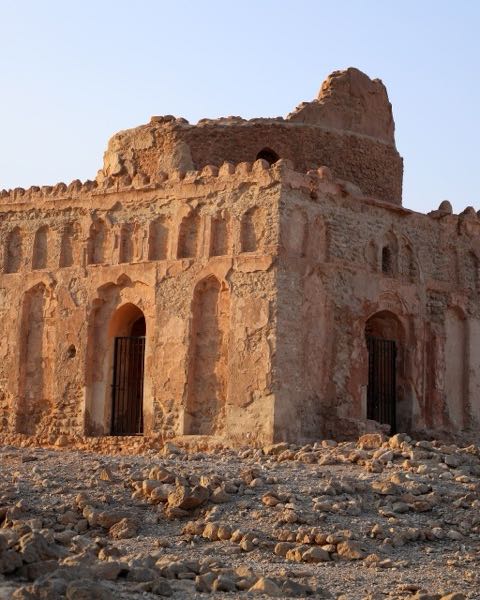 3DOne of the few buildings standing in the ruined port of Qalhat: a mausoleum of about 1300, commissioned by Bibi Maryam, who ruled the city with her husband Ayaz.
XXIXBibi Maryam Mausoleum
ضريح بيبي مريم
-
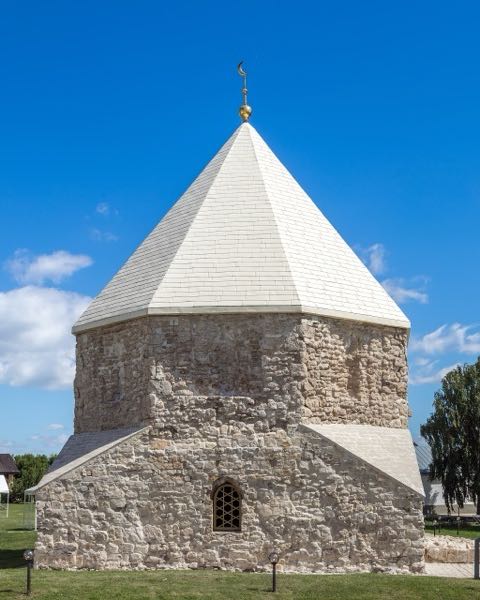 3DFourteenth-century stone tombs of Bolgar, the Golden Horde city on the Volga: the Eastern and Northern Mausoleums beside the ruined Cathedral Mosque, and the domed Khan’s Shrine.
XXXMausoleums of Bolgar
أضرحة بلغار
-
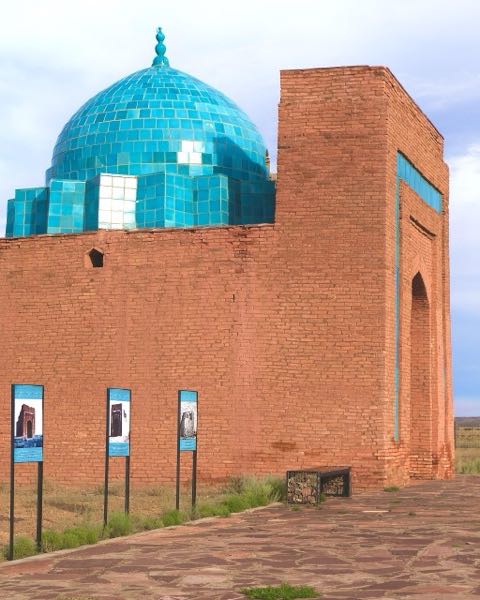 3DA brick tomb with a blue-tiled double dome in Ulytau, central Kazakhstan, long called the grave of Genghis Khan’s eldest son Jochi, though radiocarbon dates point to a 14th-century building.
XXXIMausoleum of Jochi Khan
ضريح جوجي خان
-
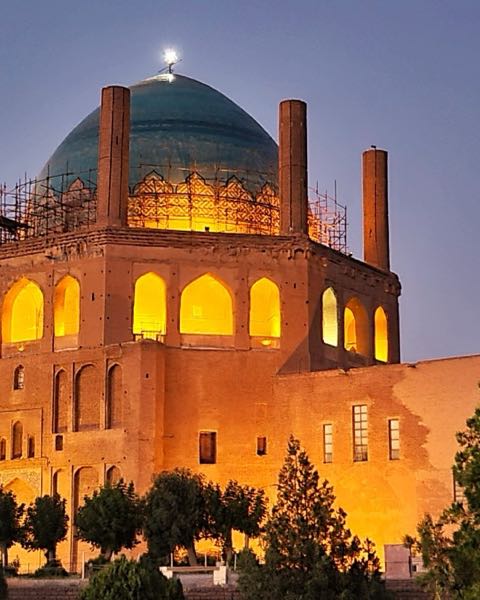 3DThe mausoleum of the Ilkhanid ruler Öljeitü at his short-lived capital of Soltaniyeh, crowned by a turquoise dome about 50 metres high and ringed by eight minarets.
XXXIIDome of Soltaniyeh
قبة السلطانية
-
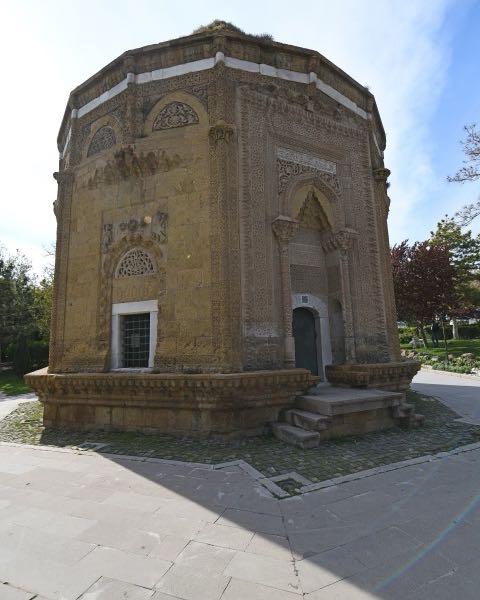 An octagonal stone tomb in Niğde, dated by its portal inscription to 1312-1313, commissioned by the Seljuk princess Hüdavend Hatun and carved with sirens, lions and a double-headed eagle.
XXXIIIHüdavend Hatun Kümbeti
ضريح خداوند خاتون
-
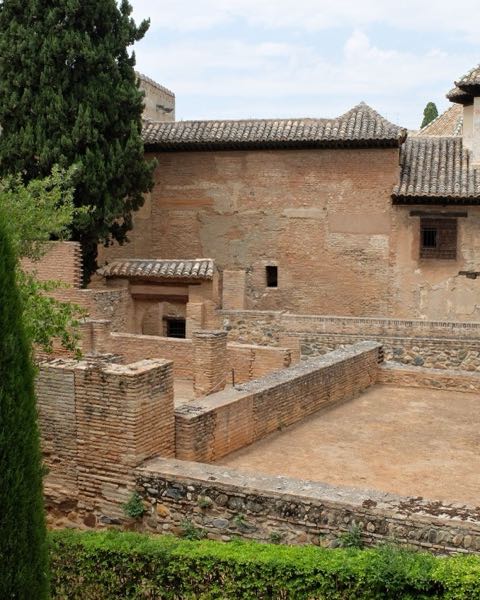 3DThe Nasrid sultans' cemetery behind the Alhambra's Palace of the Lions was used from the early 14th century; today it is a consolidated ruin with empty royal graves.
XXXIVRauda of the Alhambra
الروضة، المقبرة الملكية في الحمراء
-
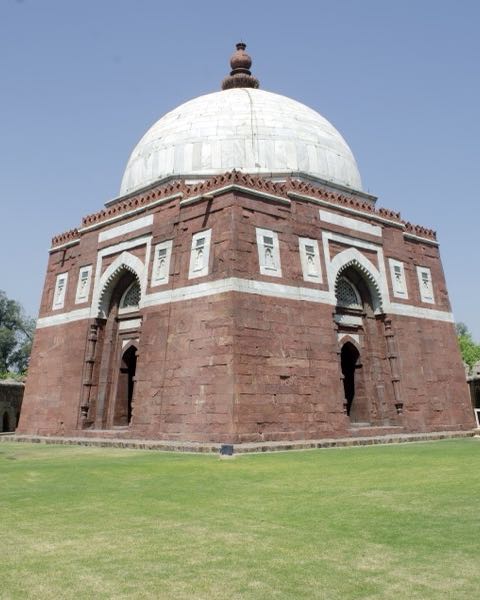 360°The fortified tomb of Ghiyath al-Din Tughluq, founder of the Tughluq dynasty: a red sandstone cube with steeply sloping walls and a white marble dome, built about 1325.
XXXVTomb of Ghiyath al-Din Tughluq
ضريح غياث الدين تغلق
-
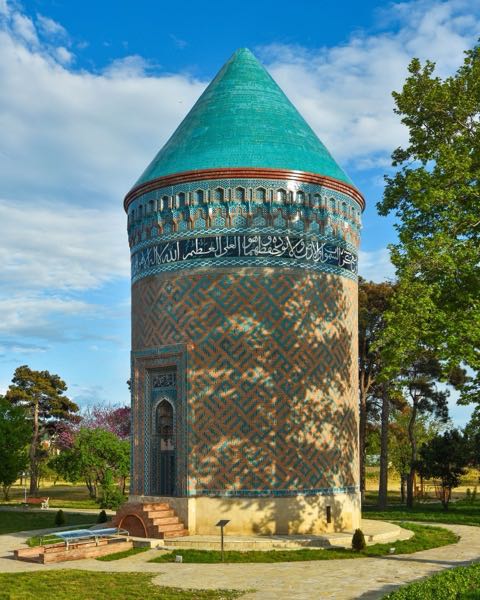 A cylindrical brick tomb tower of 1322 by Ahmad ibn Ayyub al-Hafiz of Nakhchivan, patterned with the word Allah in turquoise tile and red brick, restored in 2012-2018.
XXXVIBarda Mausoleum
ضريح بردعة
-
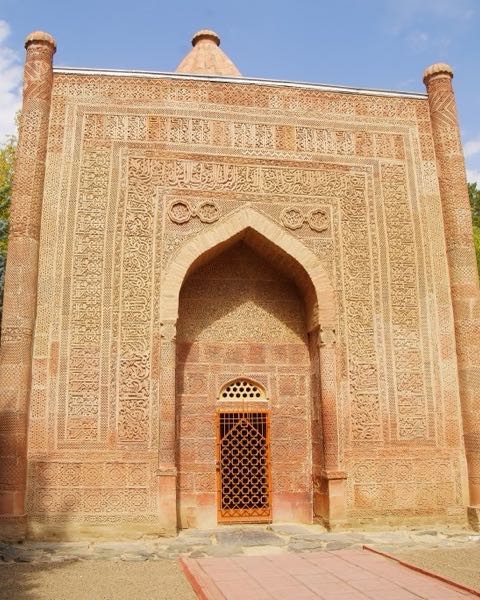 A brick tomb of about 1334 with a carved terracotta portal in the Talas valley; its inscription names Kenizek-Khatun, though legend calls it the grave of the epic hero Manas.
XXXVIIManas Gumbez (Kenkol mausoleum)
قبة ماناس (ضريح كينكول)
-
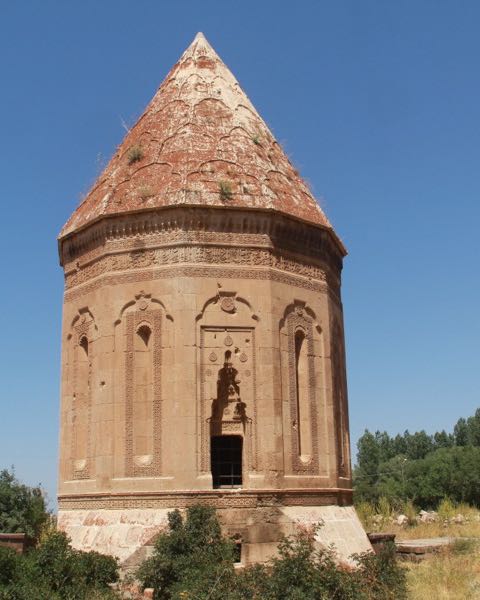 A twelve-sided stone tomb of the 14th century in the old cemetery of Gevaş, built for Halime Hatun by a master from Ahlat and wrapped in carved ornament.
XXXVIIIHalime Hatun Kümbeti
ضريح حليمة خاتون
-
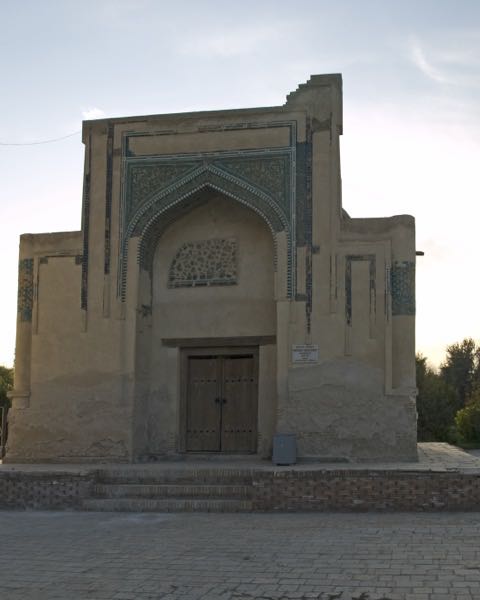 A domed tomb of about 1358-1359 at Fathabad, on the outskirts of Bukhara, raised over the grave of the Chaghatayid khan Buyan Quli and faced with carved, glazed tiles.
XXXIXMausoleum of Buyan Quli Khan
ضريح بيان قلي خان
-
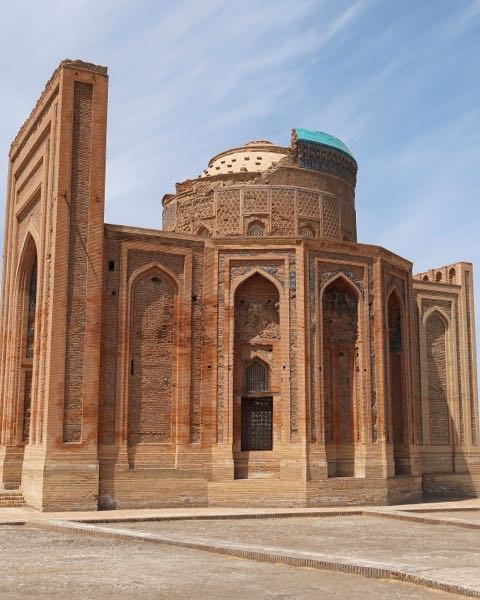 360°A brick tomb at Kunya-Urgench, twelve-sided outside, with a tall portal and a tile-mosaic dome, named after Turabek Khanum by tradition; its date, 1330s to about 1405, is disputed.
XLTurabek Khanum Mausoleum
ضريح تورابك خانم
-
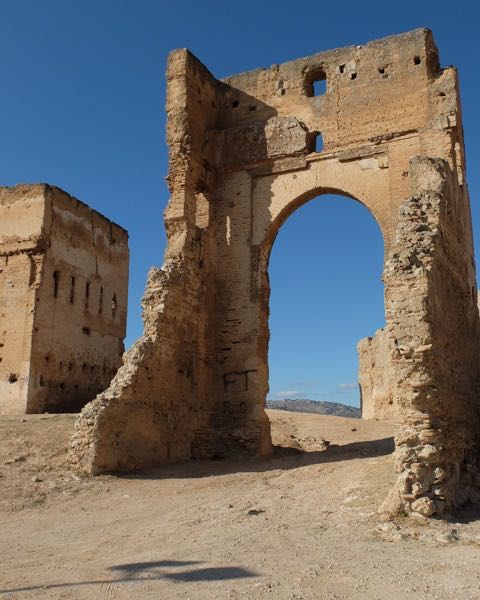 360°Ruined royal tombs of the Marinid dynasty on the hill of al-Qulla above Fez el-Bali, where Abu al-Hasan’s successors were buried between 1361 and 1398.
XLIMarinid Tombs
قبور المرينيين
-
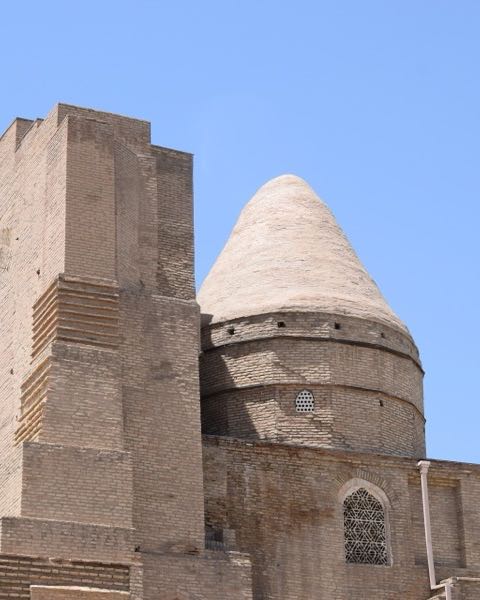 3DTimur’s family burial complex in his home region of Shahrisabz (Kesh): the conical-domed tomb of his son Jahangir and a white-marble tomb Timur prepared for himself.
XLIIDorus Saodat
دار السيادة
-
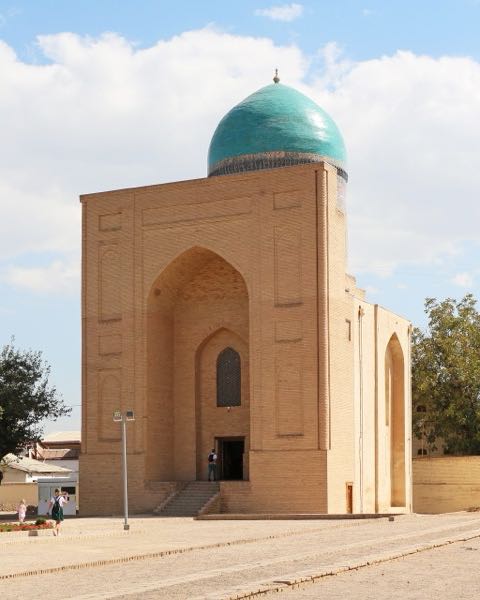 360°The octagonal tomb facing Timur’s congregational mosque in Samarkand, last remnant of his chief wife Saray Mulk Khanum’s madrasa; it received a new dome and facades in 2005-6.
XLIIIBibi Khanym Mausoleum
ضريح بيبي خانم
-
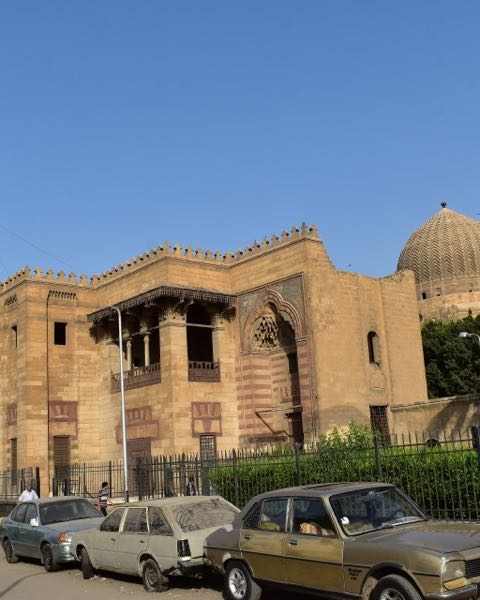 360°Sultan Faraj ibn Barquq’s Mamluk funerary complex in Cairo’s Northern Cemetery (1400-1411), where twin chevron-carved stone domes cover the tombs of his father Barquq and the family’s women.
XLIVKhanqah and Mausoleums of Sultan Faraj ibn Barquq
خانقاه وضريحا السلطان فرج بن برقوق
-
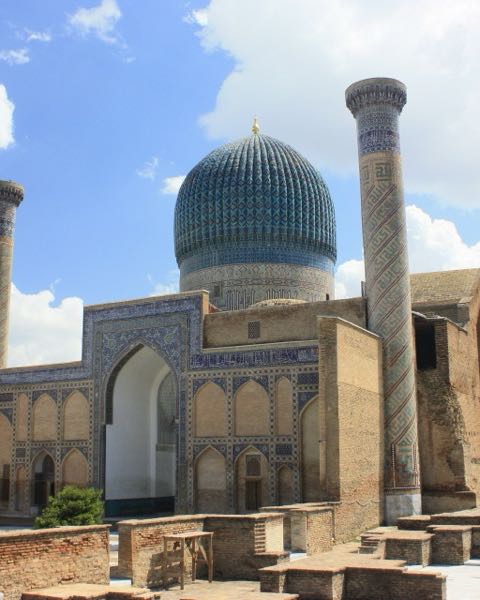 3DTimur’s tomb in Samarkand: an octagonal mausoleum under a ribbed turquoise dome, commissioned in 1404 for his grandson Muhammad Sultan and later the Timurid dynasty’s burial place.
XLVGur-e-Amir
ضريح كور أمير
-
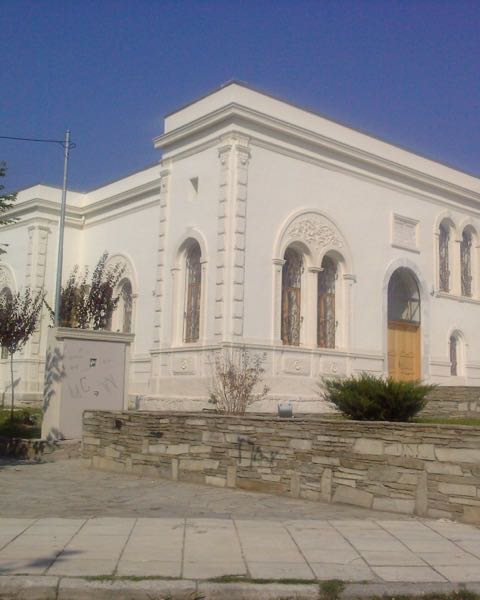 360°The tomb of Gazi Evrenos (d. 1417), the Ottoman commander who founded Giannitsa: a 15th-century türbe rebuilt in 1885-1886 and 1908-1910, now a museum.
XLVIMausoleum of Gazi Evrenos
ضريح الغازي إيفرينوس
-
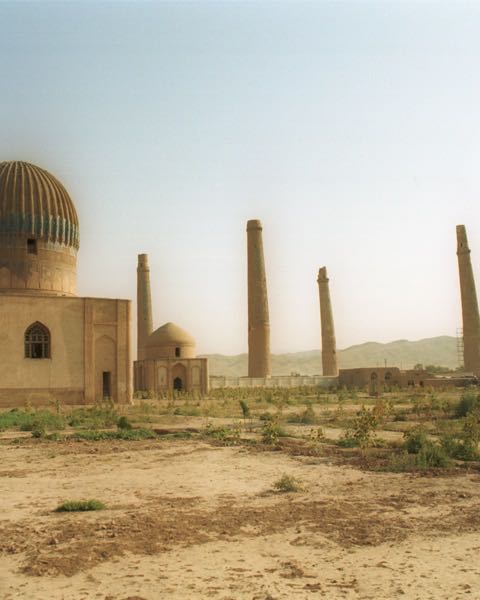 Timurid mausoleum completed in 1432 for Gawhar Shad's family in her Herat madrasa: a ribbed, tile-covered dome over a painted squinch-net vault.
XLVIIGawhar Shad Mausoleum
ضريح كوهرشاد
-
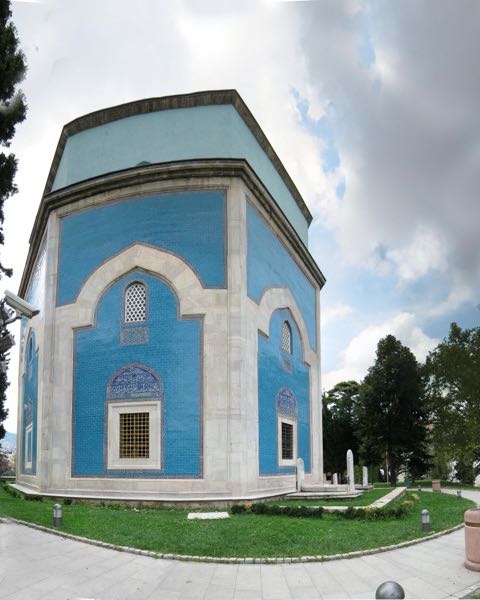 3DSultan Mehmed I's octagonal tomb in Bursa, dated 1421, faced with turquoise tiles outside and known for its tile mihrab and the sultan's tiled cenotaph.
XLVIIIYeşil Türbe (Green Tomb)
الضريح الأخضر
-
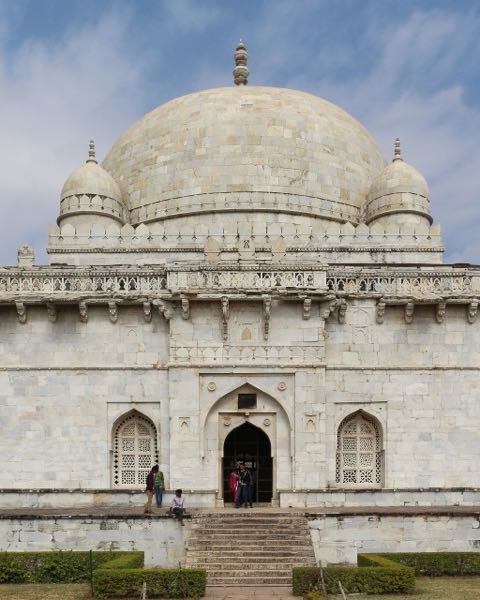 360°A square domed tomb built wholly of white marble behind the Jami Masjid of Mandu, begun for Hoshang Shah of Malwa and finished by Mahmud Khalji.
XLIXTomb of Hoshang Shah
ضريح هوشنك شاه
-
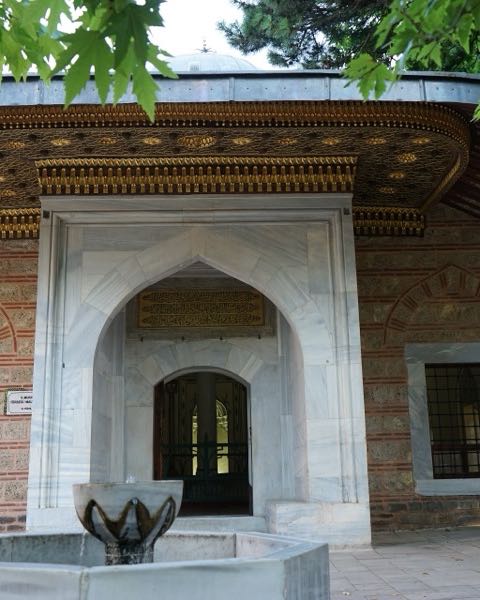 360°A garden of a dozen tombs beside Murad II's mosque in Bursa, around the sultan's own tomb of 1451, which was left open to the sky at his request.
LTombs of the Muradiye Complex
أضرحة مجمع المرادية
-
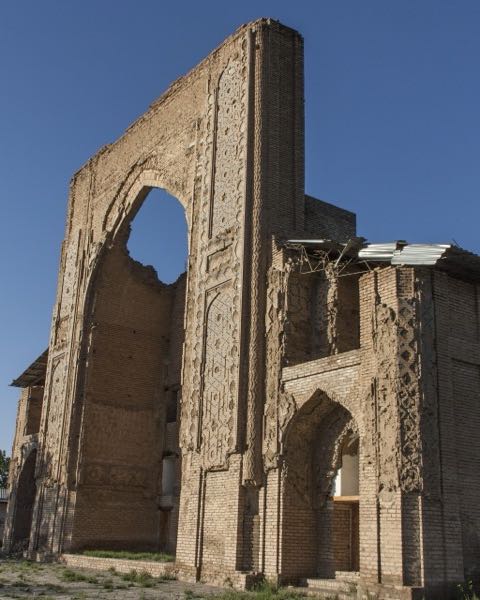 A Timurid tomb in Samarkand, built about 1464 by Habiba Sultan Begim for her young daughter and later used for royal women; its domes fell in 1902-1903.
LIIshratkhana Mausoleum
ضريح عشرت خانه
-
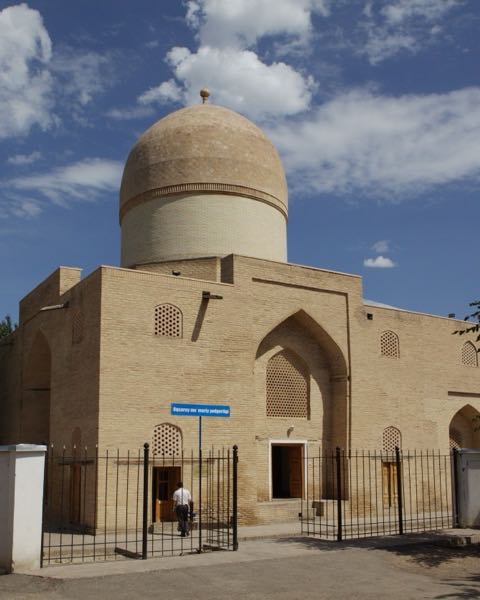 360°A small Timurid family tomb of about 1470 near the Gur-e-Amir in Samarkand, plain outside, with kundal painting in gold (restored in 2007) and a marble-lined crypt.
LIIAksaray Mausoleum
ضريح آق سراي
-
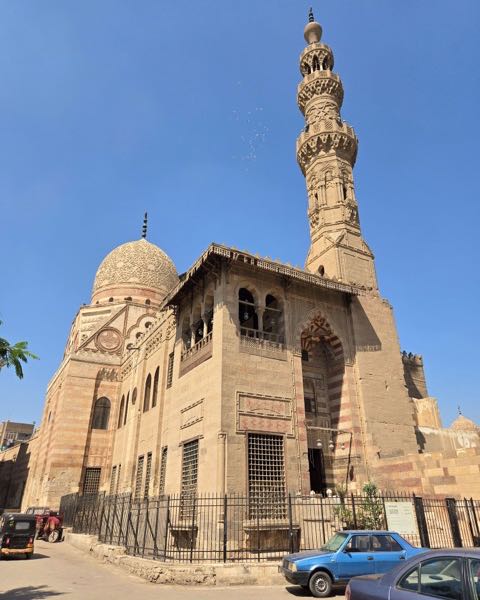 360°Tomb chamber of the Mamluk sultan Qaytbay in Cairo’s Northern Cemetery, finished in 1474 under a stone dome carved with a star pattern laid over arabesques.
LIIIMausoleum of Sultan Qaytbay
ضريح السلطان الأشرف قايتباي
-
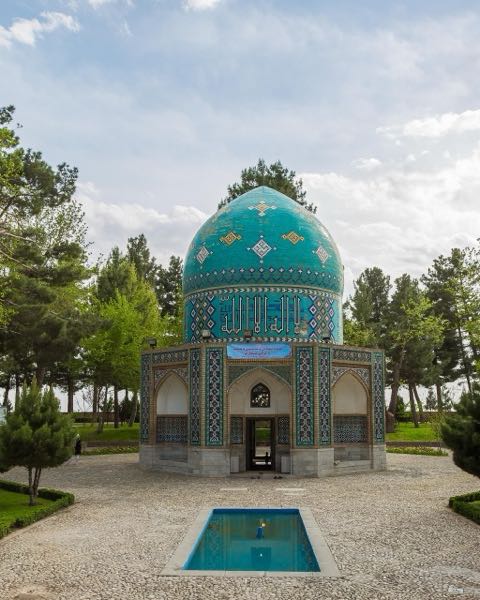 3DThe tomb of the Sufi poet Farid al-Din Attar in Nishapur: an octagonal domed chamber over a Timurid tombstone of 1486, given its present form in 1959-1968.
LIVTomb of Attar
ضريح فريد الدين العطار
-
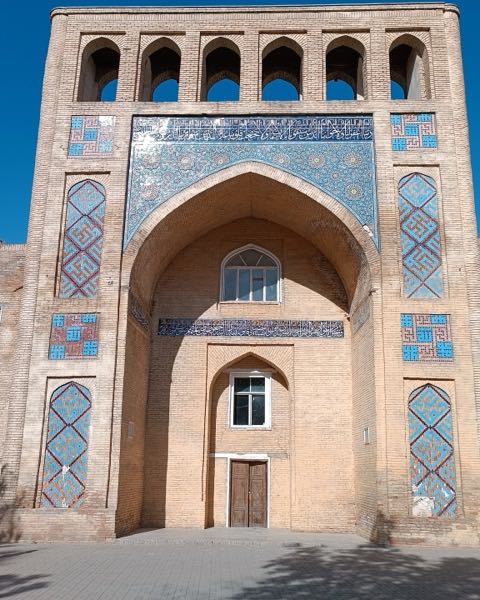 The late 15th-century mausoleum and khanaqah of Yunus Khan, khan of Moghulistan and Babur’s grandfather, in Tashkent’s Sheikhantaur ensemble, with a pointed portal and a double dome.
LVMausoleum of Yunus Khan
ضريح يونس خان
-
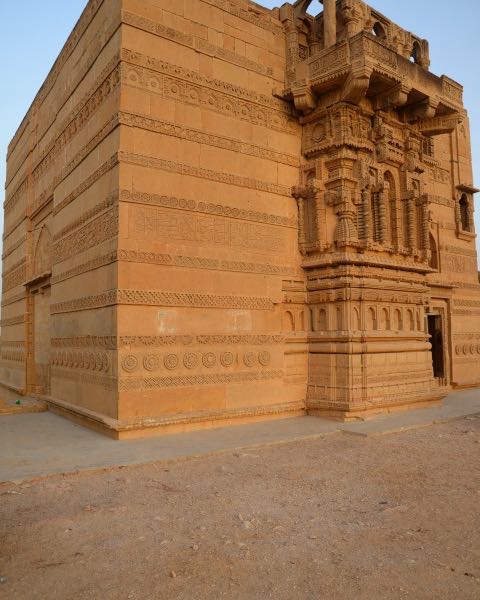 360°Thatta's vast necropolis on Makli Hill (14th-18th centuries), with the carved stone tombs of Samma ruler Jam Nizamuddin II and Mughal governor Isa Khan Tarkhan II.
LVIMakli Necropolis
مقابر مكلي
-
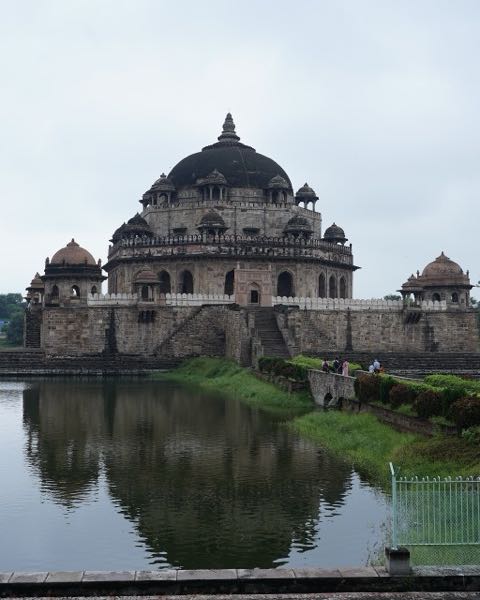 360°Sher Shah’s tomb at Sasaram: an octagonal domed mausoleum on a stepped terrace in an artificial lake, completed by his son Islam Shah in August 1545.
LVIITomb of Sher Shah Suri
ضريح شير شاه سوري
-
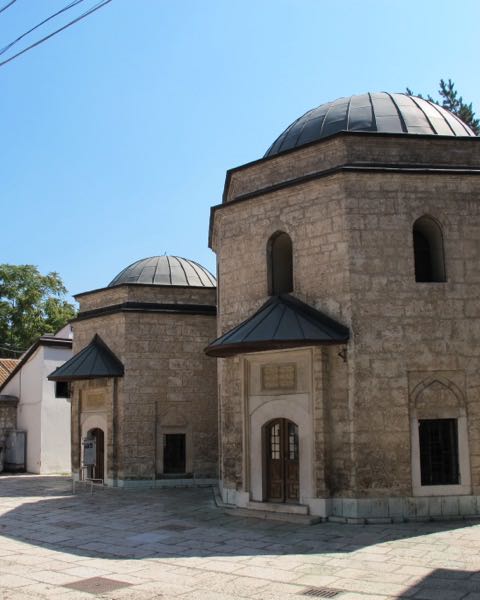 360°Octagonal cut-stone tomb with a lead-covered dome in the courtyard of Sarajevo's Gazi Husrev-beg Mosque, where the Ottoman governor of Bosnia was buried in 1541.
LVIIITomb of Gazi Husrev-beg
ضريح غازي خسرو بك
-
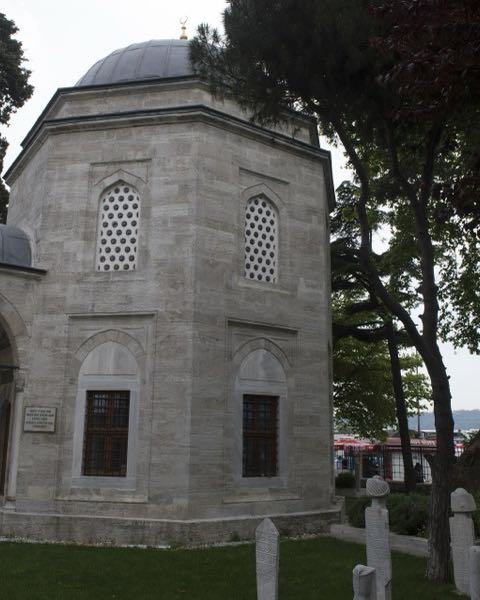 Octagonal stone tomb built by Sinan in 1541-42 for the Ottoman grand admiral Barbaros Hayreddin Pasha (d. 1546), on Barbaros Square in Beşiktaş beside the Naval Museum.
LIXTomb of Barbaros Hayreddin Pasha
ضريح خير الدين بربروس
-
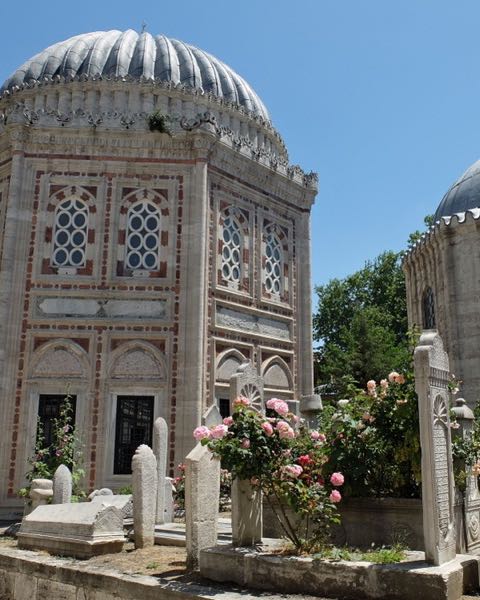 Octagonal tomb of Süleyman I's son Şehzade Mehmed (d. 1543), the first finished part of Sinan's Şehzade complex, with a fluted dome, polychrome stone facades and a tiled interior.
LXTomb of Şehzade Mehmed
ضريح الشهزاده محمد
-
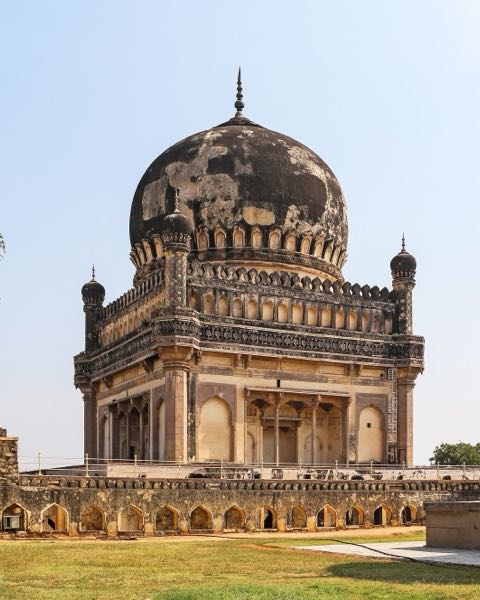 3DThe royal necropolis of the Qutb Shahi sultans of Golconda in Hyderabad, with tombs dated 1543-1672; Bilgrami judged Muhammad Quli Qutb Shah's domed tomb second to none among them.
LXIQutb Shahi Tombs (Qutb Shahi Heritage Park)
أضرحة قطب شاهي (منتزه قطب شاهي التراثي)
-
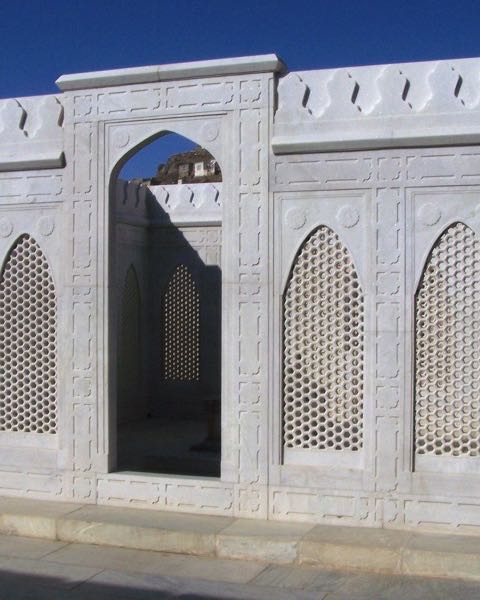 Open-air grave of Babur, founder of the Mughal dynasty, inside a marble screen high in his terraced garden in Kabul, restored by the Aga Khan Trust for Culture.
LXIITomb of Babur
ضريح بابر
-
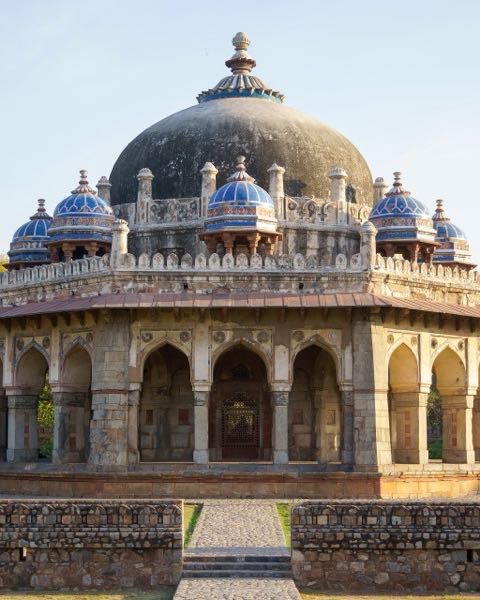 360°The octagonal garden tomb of Isa Khan Niyazi, a noble of the Sur sultans, dated 1547-48 by its inscription and now part of the Humayun’s Tomb World Heritage property.
LXIIITomb of Isa Khan Niyazi
ضريح عيسى خان نيازي
-
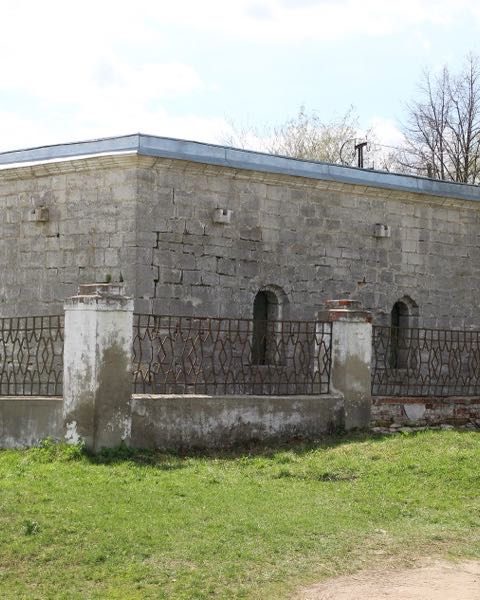 360°The white-stone tomb that Shah Ali, khan of Kasimov and three times khan of Kazan, built for himself in 1555: two rooms over a burial crypt.
LXIVTekie of Shah Ali Khan
ضريح شاه علي خان
-
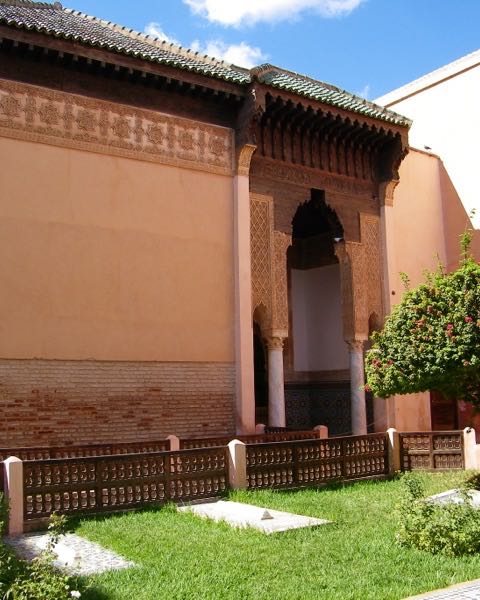 360°Royal necropolis of Morocco’s Saadian sultans in the Marrakesh kasbah, begun in 1557 and enlarged by Ahmad al-Mansur, whose Hall of Twelve Columns holds his tomb.
LXVSaadian Tombs
ضريح السعديين
-
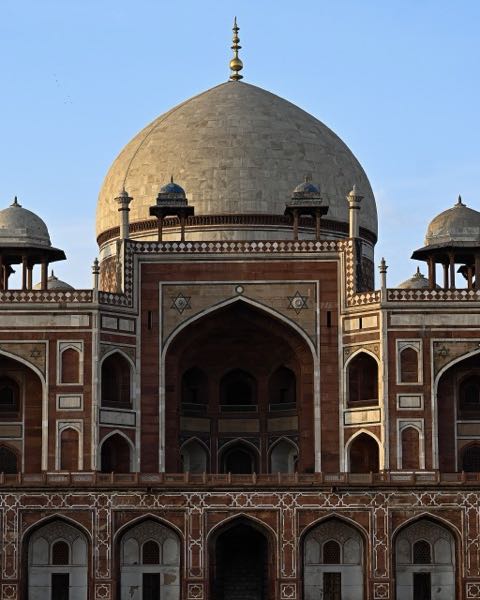 3DEmperor Humayun’s garden-tomb in Delhi, built in the 1560s–1570s; UNESCO calls it the first of the grand Mughal dynastic mausoleums, a line that culminated in the Taj Mahal.
LXVIHumayun’s Tomb
ضريح همايون
-
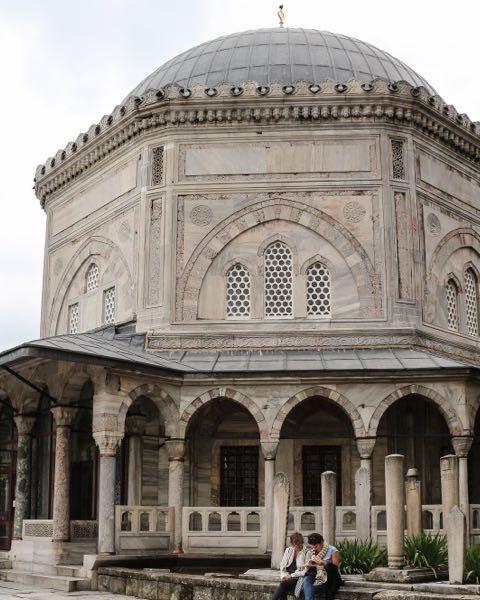 360°Octagonal tomb of Sultan Süleyman I, built by Sinan in 1566-1568 behind the Süleymaniye Mosque and ringed by a columned portico with Iznik tile panels.
LXVIITomb of Sultan Süleyman I
ضريح السلطان سليمان القانوني
-
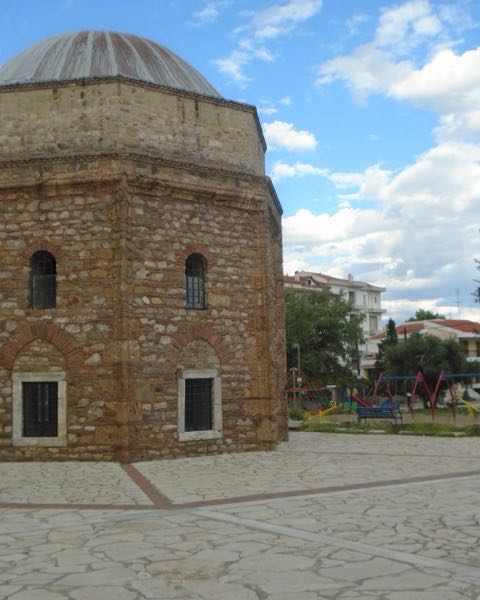 Octagonal, lead-domed tomb of Osman Shah Bey, nephew of Sultan Süleyman I, built about 1566-1571 beside his mosque in Trikala, Greece.
LXVIIITomb of Osman Shah
ضريح عثمان شاه
-
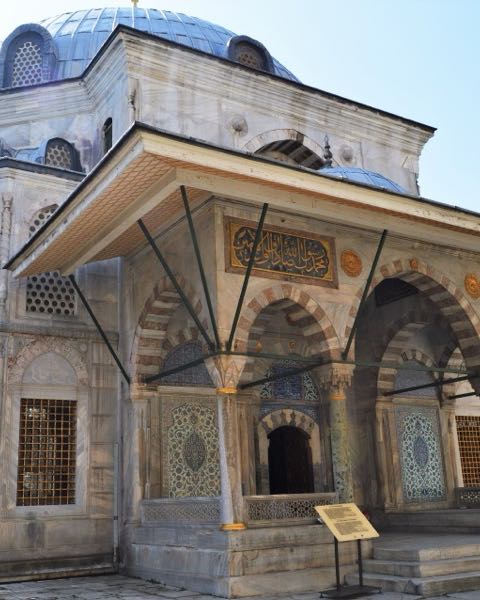 3DSinan's tomb for Sultan Selim II beside Hagia Sophia, begun in 1573-74 and finished in 1576-77: a marble-clad, double-domed building lined with Iznik tiles inside and on its porch.
LXIXTomb of Sultan Selim II
ضريح السلطان سليم الثاني
-
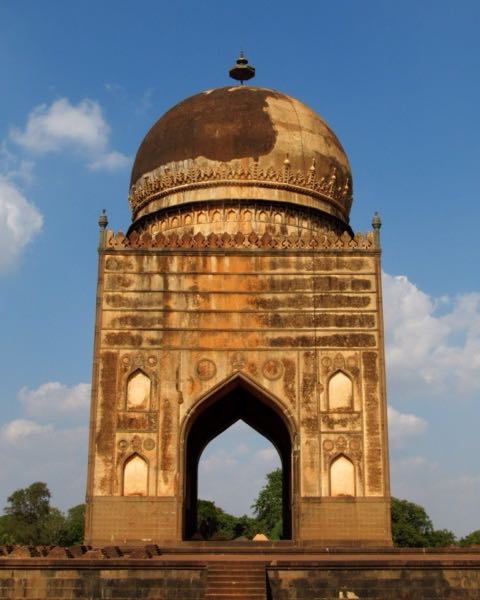 360°The domed tomb of Ali Barid Shah in Bidar, completed in 1576-77: open on all four sides through tall arches, it stands in a walled garden court.
LXXTomb of Ali Barid Shah (Barid Shahi Tombs)
ضريح علي بريد شاه (الأضرحة البريدشاهية)
-
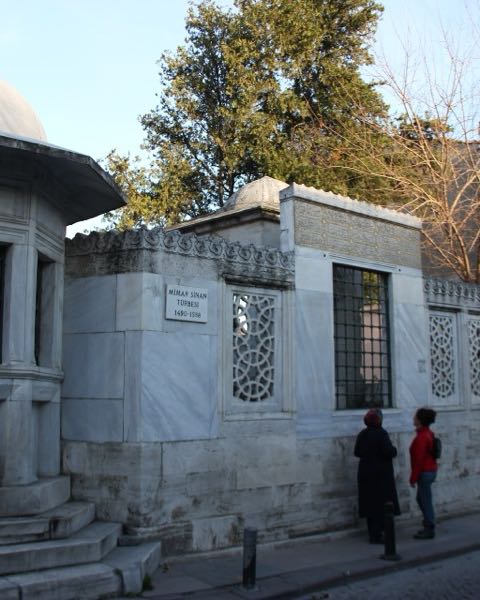 360°Open tomb of the Ottoman architect Sinan (d. 1588), behind a domed fountain at a corner of his Süleymaniye complex, with an epitaph by his friend Sâî Mustafa Çelebi.
LXXITomb of Mimar Sinan
ضريح معمار سنان
-
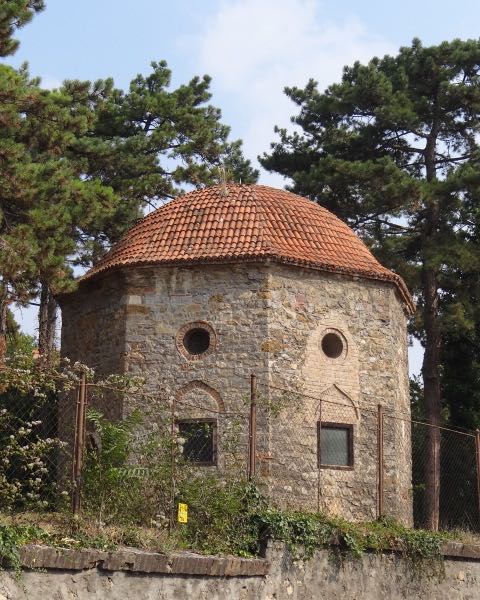 360°An octagonal Ottoman tomb built around 1600 in Pécs over the dervish Idris Baba's grave; surveys name it one of two Ottoman mausoleums left in good condition in Hungary.
LXXIITürbe of Idris Baba
ضريح إدريس بابا
-
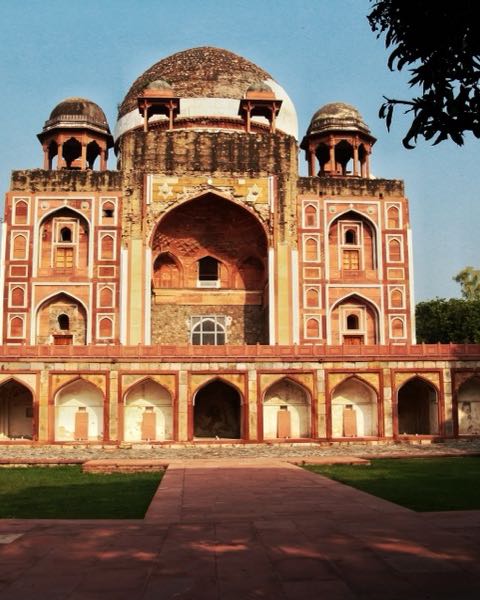 360°Abdul Rahim Khan-i-Khanan, Akbar’s commander and a celebrated poet, built this domed tomb in 1598 for his wife Mah Banu and was buried in it in 1627.
LXXIIITomb of Abdul Rahim Khan-i-Khanan
ضريح عبد الرحيم خان خانان
-
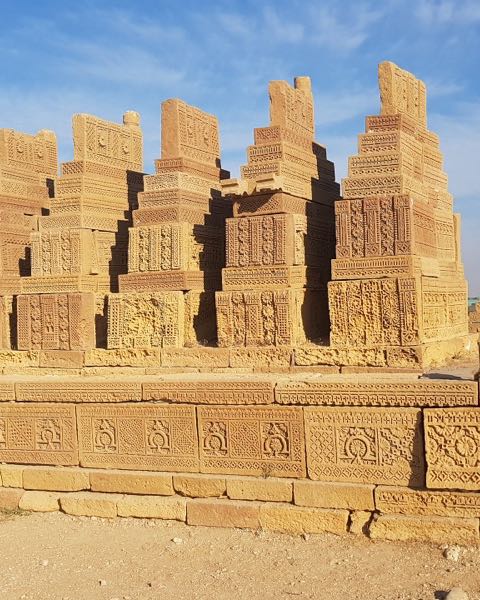 360°Graveyard on a ridge east of Karachi with stepped sandstone graves carved with horsemen, weapons and jewellery, dated by Pakistan's heritage bodies to the 17th and 18th centuries.
LXXIVChaukhandi Tombs
مقابر جوكندي
-
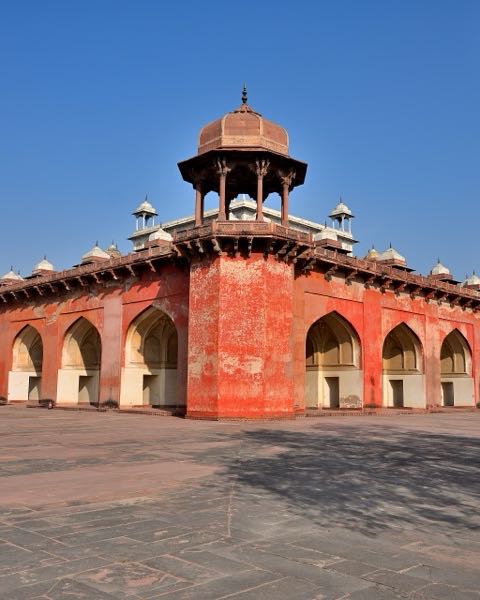 360°Akbar's tomb at Sikandra, Agra: a five-storey mausoleum of red sandstone with a white marble top storey, finished by his son Jahangir around 1613 in a walled garden.
LXXVAkbar's Tomb
ضريح أكبر
-
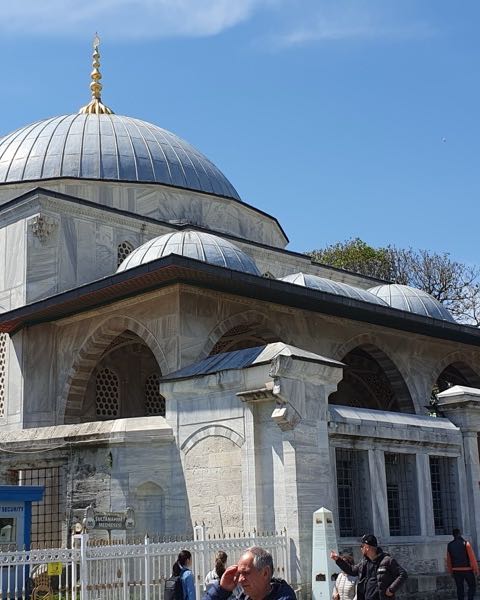 360°Square domed tomb of Sultan Ahmed I beside his mosque in Istanbul, completed by Osman II in 1619, with Iznik tiles inside and 36 cenotaphs of the dynasty.
LXXVITürbe of Sultan Ahmed I
ضريح السلطان أحمد الأول
-
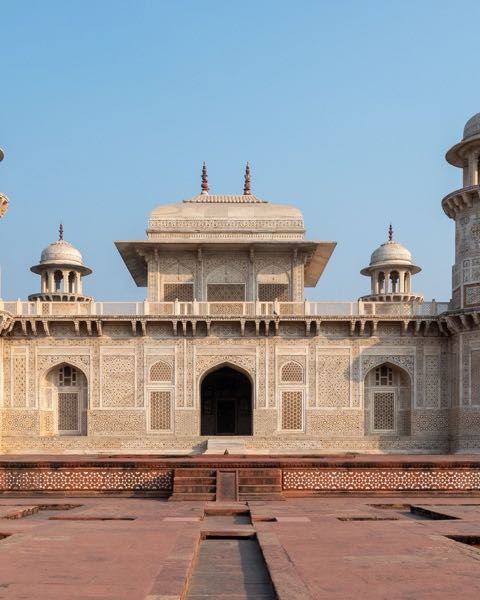 360°Nur Jahan's tomb for her parents on the Yamuna at Agra (1622-1628), which Archnet calls the first Mughal structure completely encased in marble.
LXXVIITomb of I'timad-ud-Daulah
ضريح اعتماد الدولة
-
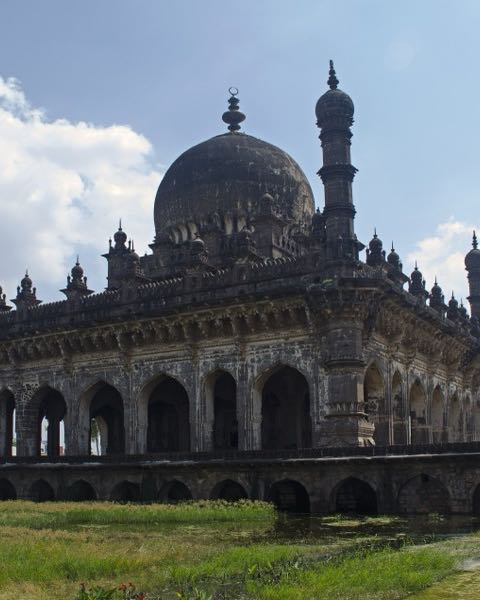 360°The tomb of Sultan Ibrahim Adil Shah II (d. 1627) and Queen Taj Sultana in Vijayapura: a carved stone mausoleum facing its mosque on one terrace, dated 1626.
LXXVIIIIbrahim Rauza
روضة إبراهيم
-
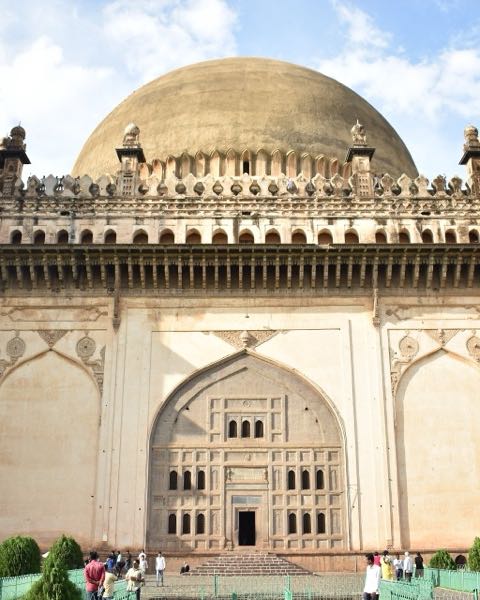 360°The tomb of Sultan Muhammad Adil Shah (d. 1656) in Vijayapura: a square hall 41 m across, with no internal supports, under a dome 37.9 m wide inside.
LXXIXGol Gumbaz
كول كنبد
-
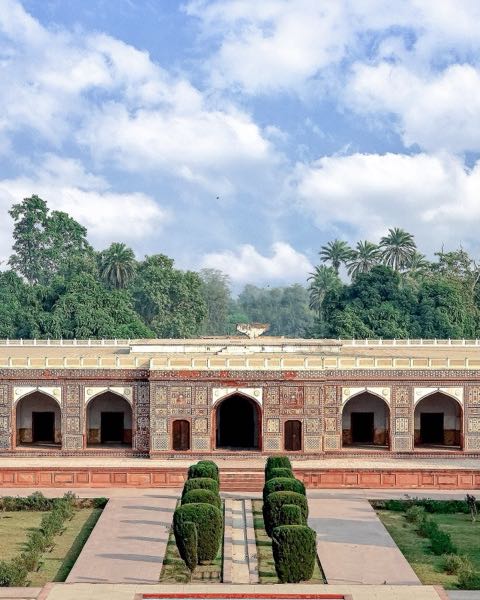 360°The Mughal emperor Jahangir's tomb at Shahdara, across the Ravi from Lahore: a red sandstone platform tomb with four marble-banded minarets, completed in 1637.
LXXXTomb of Jahangir
ضريح جهانكير
-
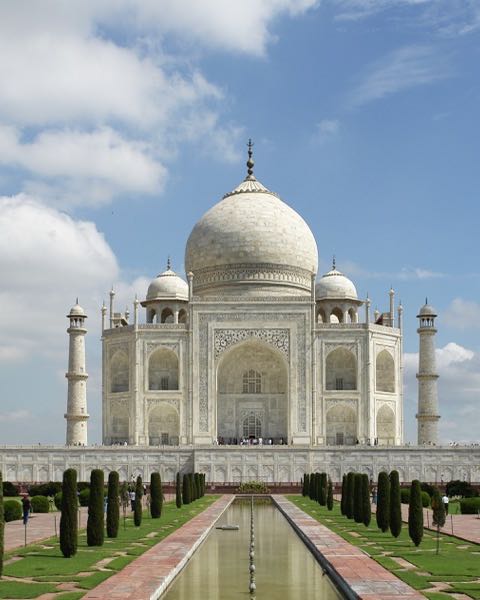 3DShah Jahan’s white-marble mausoleum for his wife Mumtaz Mahal, on the Yamuna at Agra, which UNESCO calls the jewel of Muslim art in India.
LXXXITaj Mahal
تاج محل
-
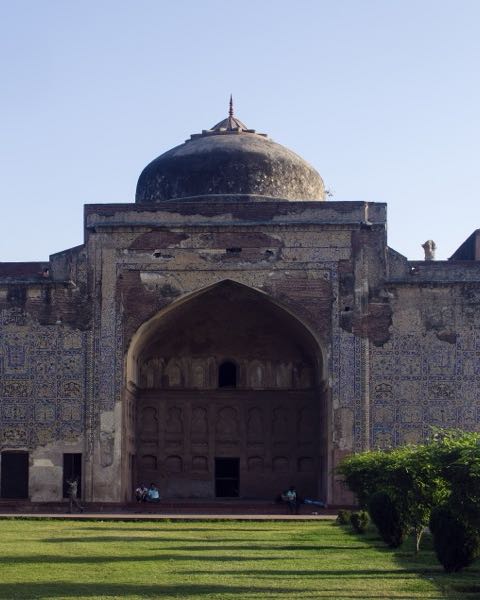 360°The riverside tomb at Agra traditionally ascribed to Afzal Khan Shirazi, Shah Jahan’s prime minister (d. 1639), once faced entirely in glazed tile mosaic.
LXXXIIChini ka Rauza
ضريح تشيني كا روضة
-
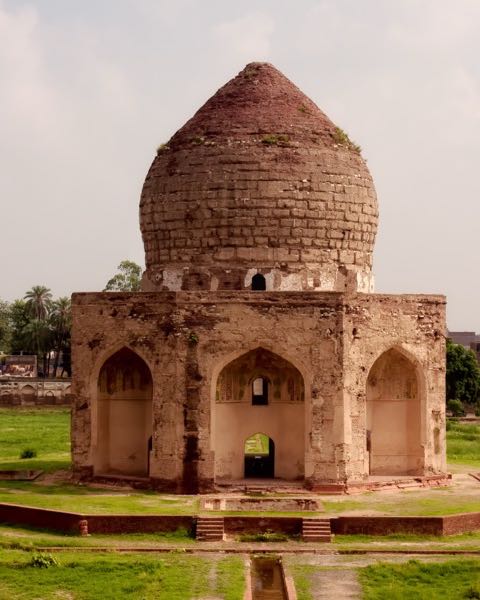 360°Octagonal Mughal tomb with a high bulbous dome, built by Shah Jahan in the 1640s for his father-in-law Asif Khan at Shahdara, beside the tomb of Jahangir.
LXXXIIITomb of Asif Khan
ضريح آصف خان
-
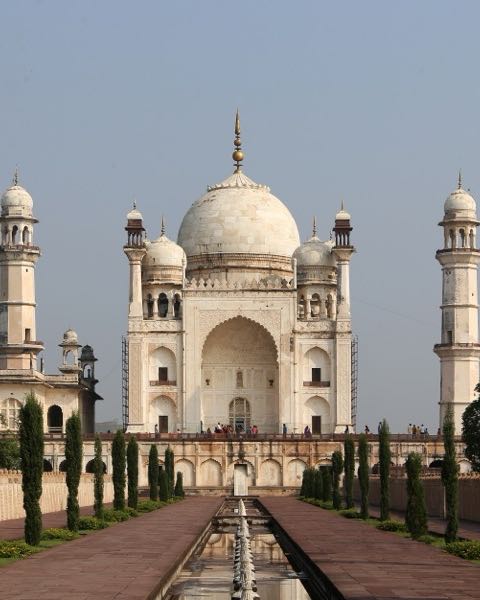 360°The tomb of Aurangzeb’s wife Dilras Banu Begum in Chhatrapati Sambhajinagar (Aurangabad), modelled on the Taj Mahal and dated by its door inscription to 1660-61.
LXXXIVBibi Ka Maqbara
بيبي كا مقبرة
-
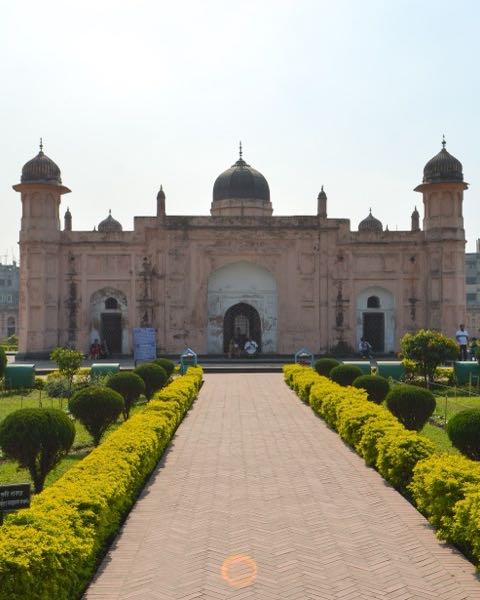 3DThe tomb that Shaista Khan, Mughal governor of Bengal, built for his daughter Pari Bibi (d. 1684) at the centre of Dhaka’s unfinished Lalbagh Fort.
LXXXVTomb of Pari Bibi
ضريح بري بيبي
-
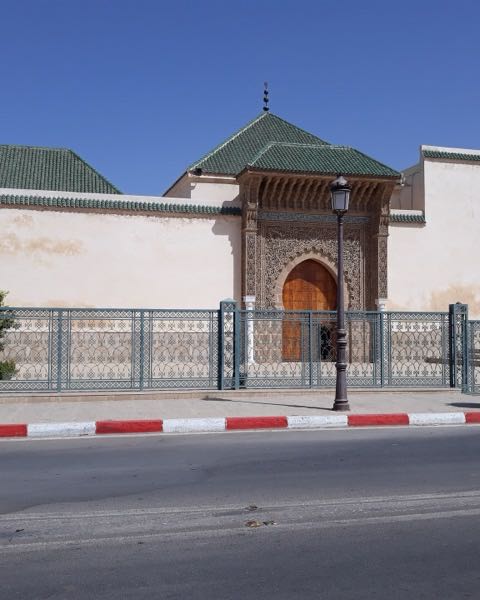 360°Funerary complex of Sultan Moulay Ismail in Meknes, built as a mosque in 1703 and remodelled for his tomb, with zellij courtyards and reused Saadian marble capitals.
LXXXVIMausoleum of Moulay Ismail
ضريح المولى إسماعيل
-
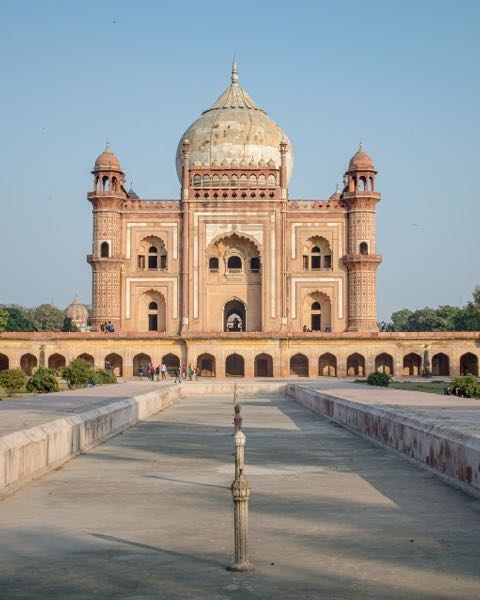 3DBuilt about 1754 by Shuja-ud-Daula for his father Safdar Jang, this Delhi garden tomb is, in the ASI’s words, the last example of the pattern begun at Humayun’s tomb.
LXXXVIISafdarjung’s Tomb
ضريح صفدر جنك
-
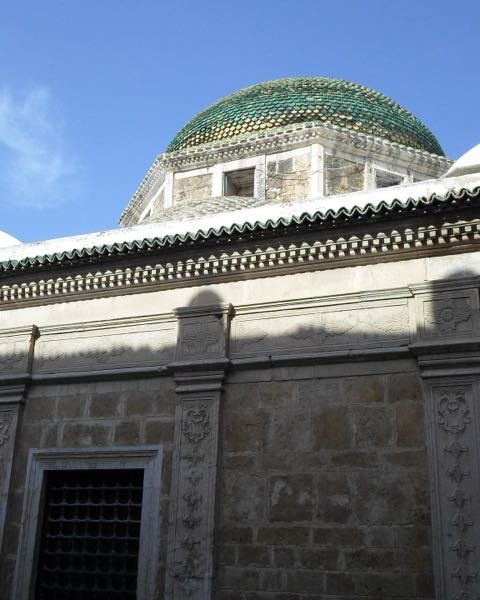 360°Royal necropolis of Tunisia’s Husaynid beys in the Medina of Tunis, begun by Ali Bey II about 1770, with a domed hall of reigning beys on an Ottoman mosque plan.
LXXXVIIITourbet el Bey
تربة الباي
-
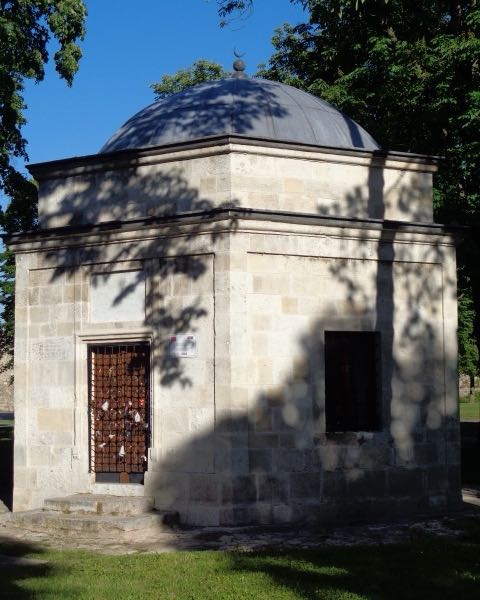 360°Hexagonal Ottoman türbe in Belgrade Fortress's Upper Town, built in 1784 over İzzet Mehmed Pasha's grave and dedicated to Damad Ali Pasha in 1818-1819, according to the fortress administration.
LXXXIXTürbe of Damad Ali Pasha
ضريح داماد علي باشا
-
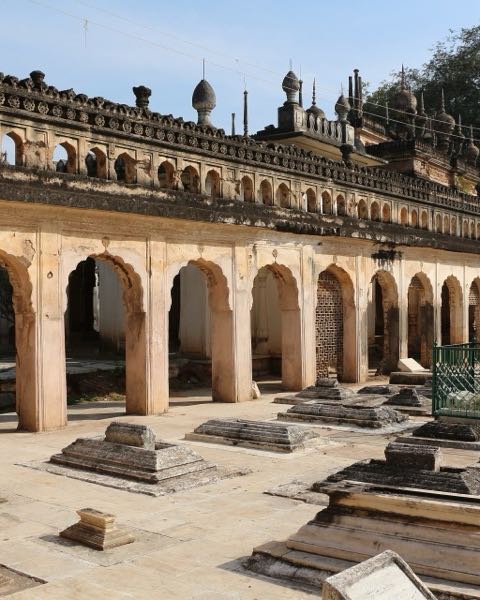 The family necropolis of the Paigah nobles of Hyderabad, begun around the grave of their founder (d. 1790), with marble graves under pierced marble screens.
XCPaigah Tombs
أضرحة بايغاه
-
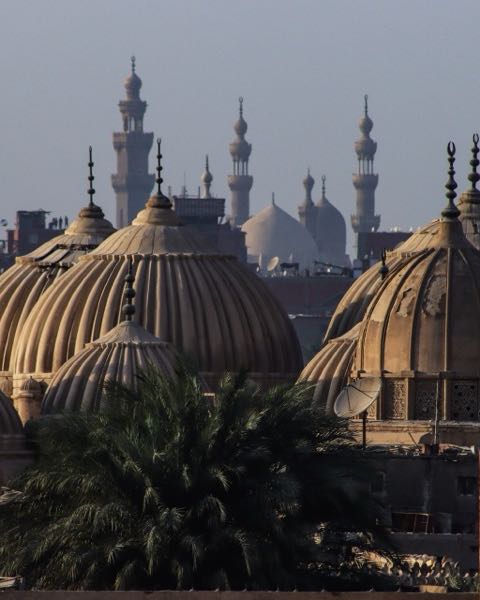 360°Burial court of Muhammad Ali’s family beside Imam al-Shafi'i’s mausoleum in Cairo, built up chamber by chamber from about 1808, with marble cenotaphs topped by carved turbans and headdresses.
XCIHosh al-Basha
حوش الباشا
-
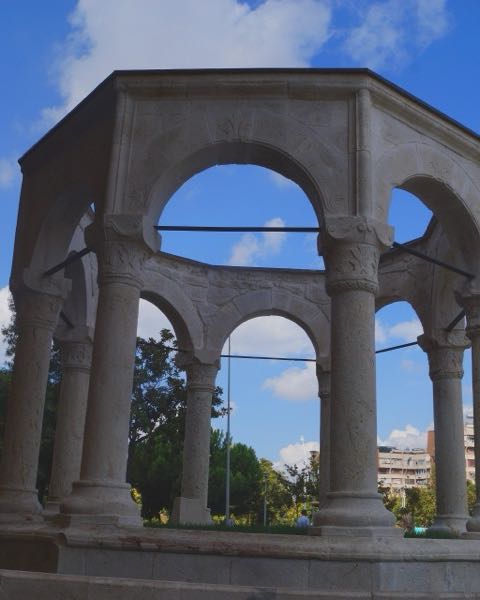 360°An open octagonal türbe of carved stone in central Tirana, built in the early 19th century for Kapllan Pasha Toptani; protected since 1948, it is now a first-category monument.
XCIIKapllan Pasha Tomb
ضريح قبلان باشا
-
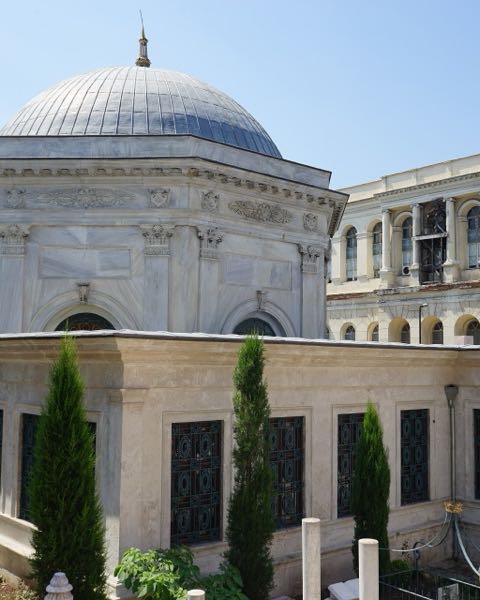 360°Octagonal marble tomb in the Empire style, built on Divanyolu in 1839-1840 for Sultan Mahmud II and later the burial place of the sultans Abdülaziz and Abdülhamid II.
XCIIITürbe of Sultan Mahmud II
تربة السلطان محمود الثاني
-
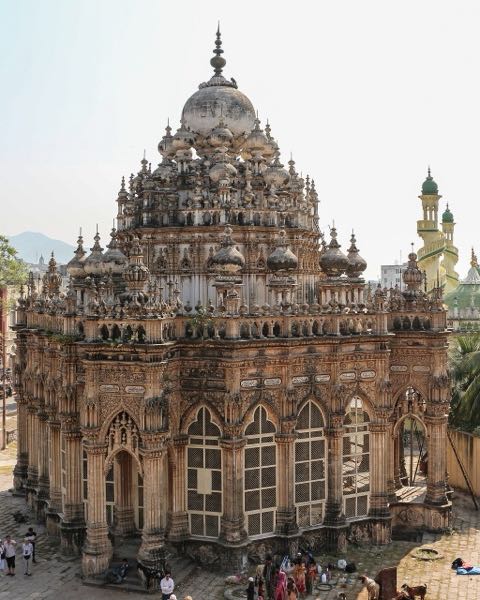 3DThe tomb of Nawab Mahabat Khanji II of Junagadh, finished in 1892 in a mix of Indo-Islamic, Gothic and European styles, beside his vizier Bahauddin’s tomb of 1891-1896.
XCIVMahabat Maqbara
ضريح مهابت خان
-
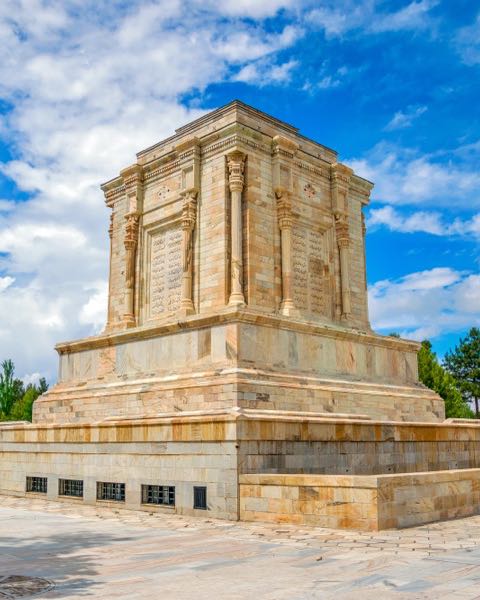 3DFerdowsi’s tomb at Tus, near Mashhad: a marble monument modelled on Cyrus the Great’s tomb, built 1928-1934 and re-erected over a new underground hall by Houshang Seyhoun in 1964-1968.
XCVTomb of Ferdowsi
ضريح الفردوسي
-
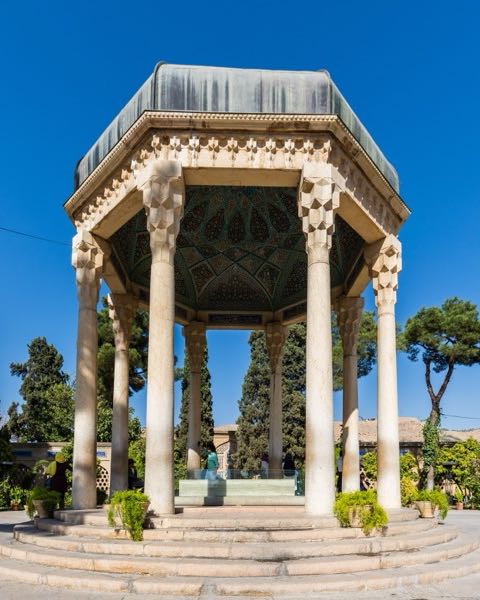 3DAn open domed pavilion over the grave of the Persian poet Hafez, in a garden on the northern edge of Shiraz, designed by André Godard and built 1938–1940.
XCVITomb of Hafez
ضريح حافظ الشيرازي
-
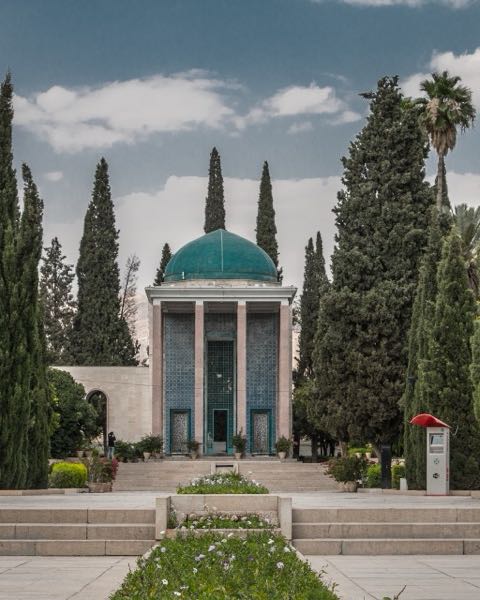 360°Saadi’s tomb in Shiraz: a domed chamber behind a portico of eight columns, designed by Mohsen Foroughi and opened in 1952 on the site of the poet’s khanqah.
XCVIITomb of Saadi
ضريح سعدي الشيرازي
-
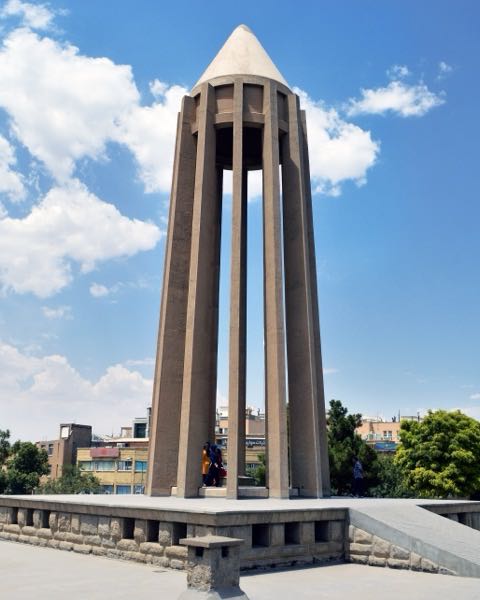 3DAvicenna’s tomb in Hamadan, a 1950s building by Houshang Seyhoun whose open tower of twelve piers adapts the ten-flanged Gonbad-e Qabus, with a museum and library.
XCVIIIAvicenna Mausoleum
ضريح ابن سينا
-
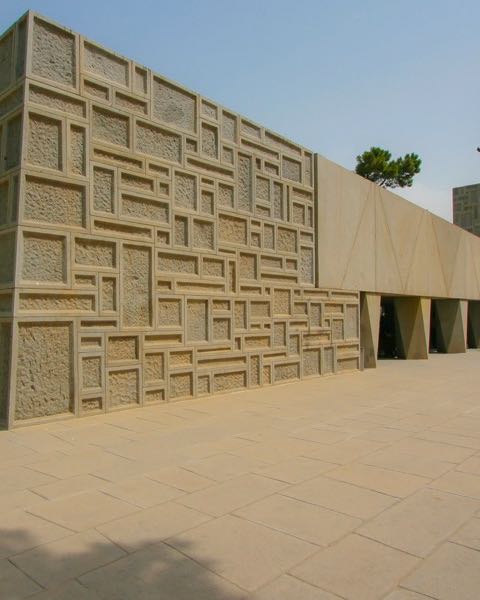 360°Nader Shah’s tomb in Mashhad: a granite monument by Houshang Seyhoun, with a tower carrying Abolhassan Sadighi’s bronze equestrian group, built 1956-1963 with a museum of arms.
XCIXTomb of Nader Shah
ضريح نادر شاه
-
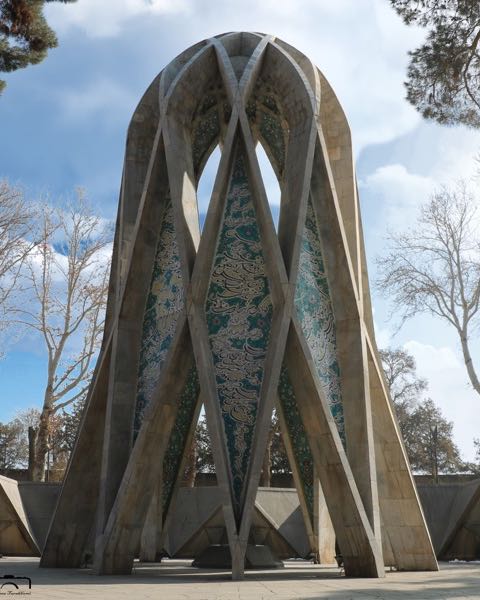 3DOmar Khayyam’s tomb in Nishapur: ten curved piers whose ribs frame tile panels and meet in a star-shaped opening, designed by Houshang Seyhoun and inaugurated in 1963.
CTomb of Omar Khayyam
ضريح عمر الخيام
-
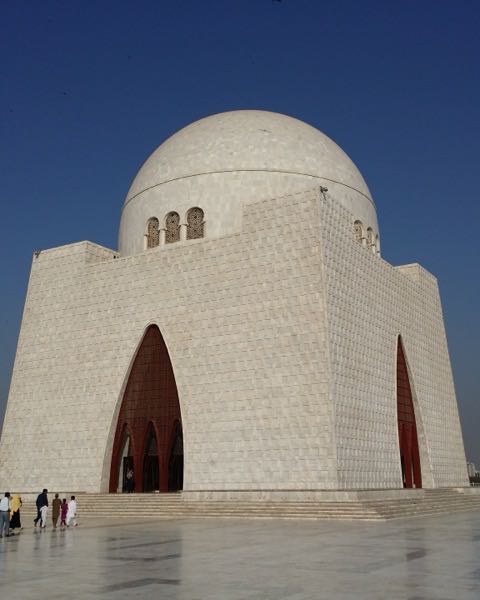 3DThe mausoleum of Muhammad Ali Jinnah, founder of Pakistan, in Karachi: a square, domed building in white marble by Yahya Merchant, built 1960-1970 and opened in 1971.
CIMazar-e-Quaid
مزار قائد
-
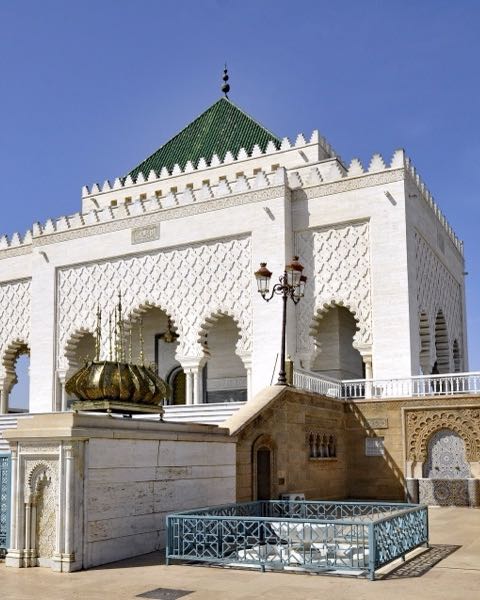 3DThe royal mausoleum of King Mohammed V and his sons, built in 1961-1969 inside the walls of Rabat’s unfinished Almohad Hassan Mosque, facing the Hassan Tower.
CIIMausoleum of Mohammed V
ضريح محمد الخامس
-
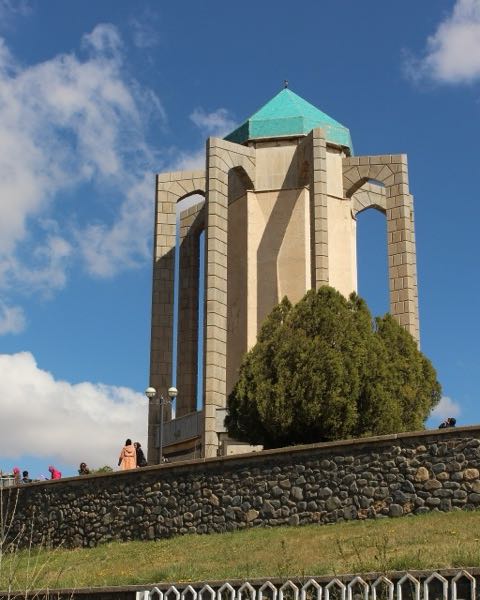 360°Hamadan’s monument to the dervish poet Baba Taher: a hilltop tower of granite and white stone on an octagonal base, designed by Mohsen Foroughi and completed in 1970.
CIIITomb of Baba Taher
ضريح بابا طاهر
A thousand years, in two calendars
Years of construction · Common Era on the upper scale, Hijri on the lower
ConstructionDate uncertain (range)Can be entered
The word
In Arabic, turba (تُربة) carries two related senses: Lane’s Arabic–English Lexicon glosses it as ‘a portion of dust or earth’, and also as a man’s grave or ‘a cemetery, burial-place’1. The Encyclopaedia of Islam notes that this word for earth came to mean a tomb or mausoleum in Islamic funerary architecture, and that when it stands alone in a funerary inscription it suggests a mausoleum2,3.
After qubba (‘dome’) had largely displaced it, the word was popularised again by the Turks in the form türbe3. Other names for such buildings, among them kümbet, maqam, mashhad, buq‘a, darih, qubba and rawda, were often used interchangeably with it5. English borrowed the word from Turkish as turbeh, the name of this site, which Merriam-Webster defines as a Muslim tomb or mausoleum, from Turkish türbe and ultimately Arabic turbah4.
- Lane’s Lexicon online (laneslexicon.com): E. W. Lane, An Arabic–English Lexicon (1863–93), root ت ر ب, entry تُرْبَةٌ
- Brill, Encyclopaedia of Islam, Second Edition: T. Leisten, ‘Turba’, doi:10.1163/1573-3912_islam_COM_1259
- Brill, Encyclopaedia of Islam, Second Edition, Glossary and Index of Terms: ‘turba’ (T. türbe)
- Merriam-Webster: ‘turbeh’ (noun; from Turkish türbe, from Arabic turbah)
- TDV İslâm Ansiklopedisi (Türkiye Diyanet Vakfı): ‘TÜRBE’
- Brill, Encyclopaedia of Islam, First Edition (1913–1936): ‘Ḳubba’
- Archnet (MIT / Aga Khan Trust for Culture): ‘Qubbat al-Sulaybiyya’, Samarra, site record
- UNESCO World Heritage Centre: Historic Centre of Bukhara (property 602): description and Statement of Outstanding Universal Value
- TDV İslâm Ansiklopedisi (Türkiye Diyanet Vakfı): ‘DEFİN’ (burial; jurists’ views on building over graves)
- TDV İslâm Ansiklopedisi (Türkiye Diyanet Vakfı): ‘KABİR’ (grave; differing juristic views on domes and türbes over graves)