Dit deel is nog niet vertaald en wordt daarom in het Engels getoond.
Geschiedenis
Fez reached its height in the 13th and 14th centuries under the Marinids, who made it their capital and in 1276 founded a new town, Fez Jdid, west of the old city, Fez el-Bali1. The hill of al-Qulla overlooks the northern side of Fez el-Bali and its ramparts, with a view over the Sebou valley2. Written sources record the burial of many pious people on this site as early as the 11th and 12th centuries, and credit the Almohad sultan Muhammad al-Nasir (r. 1199-1213) with a fortress there containing four mausolea, a mosque and a hammam, fed by channels from the Wadi Fez2. These buildings fell into ruin during the famines at the end of the Almohad period2.
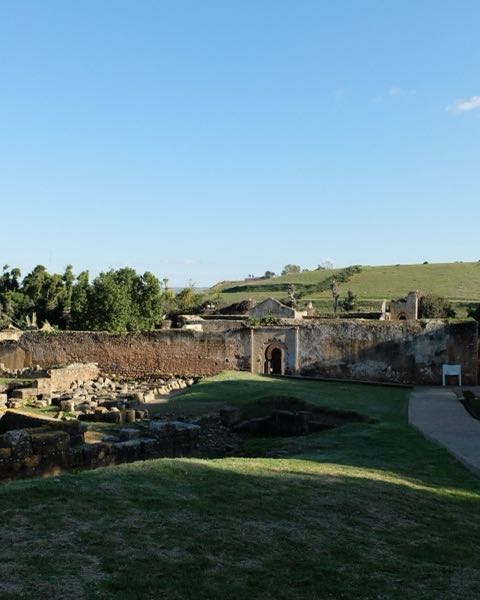
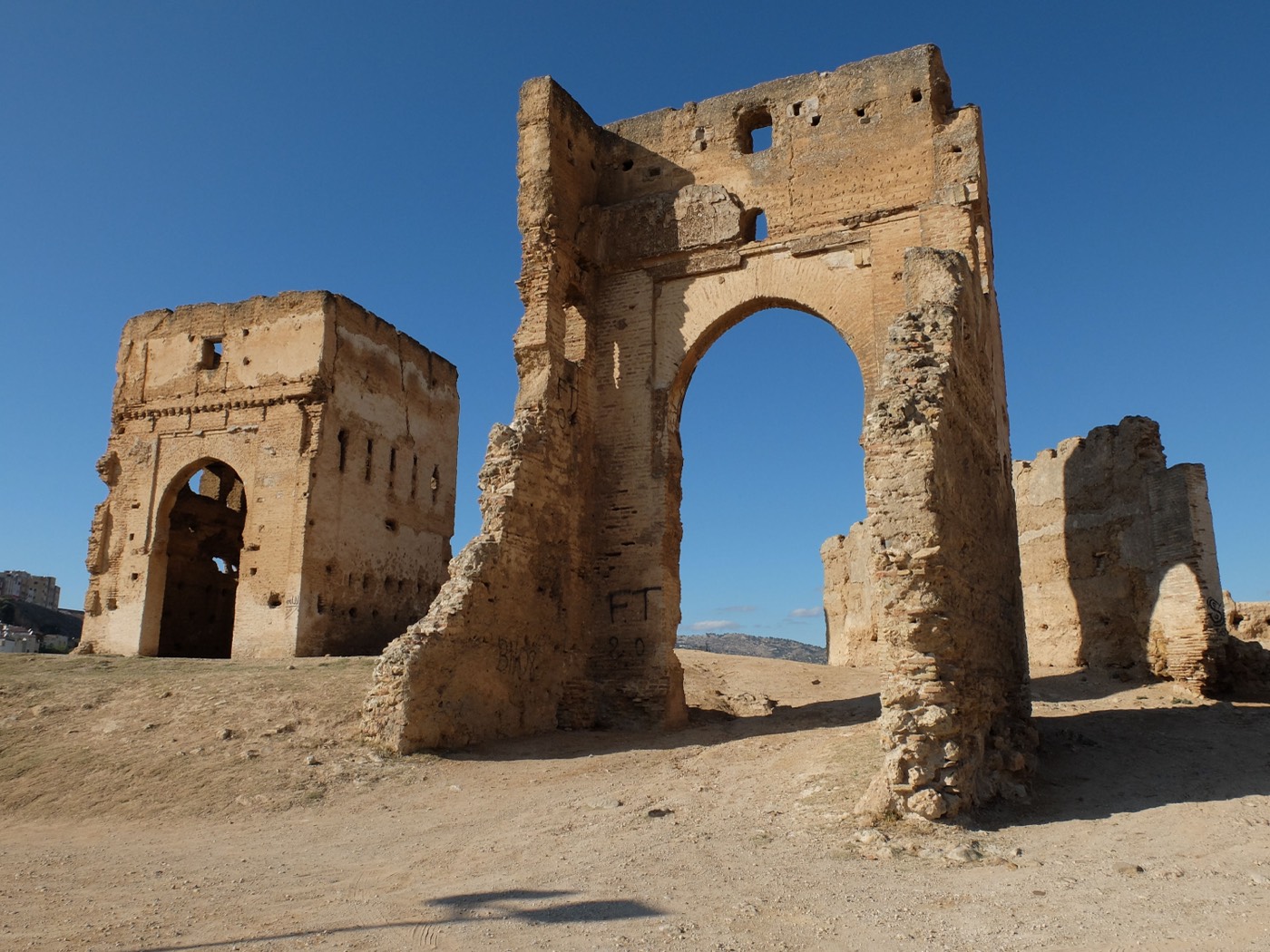
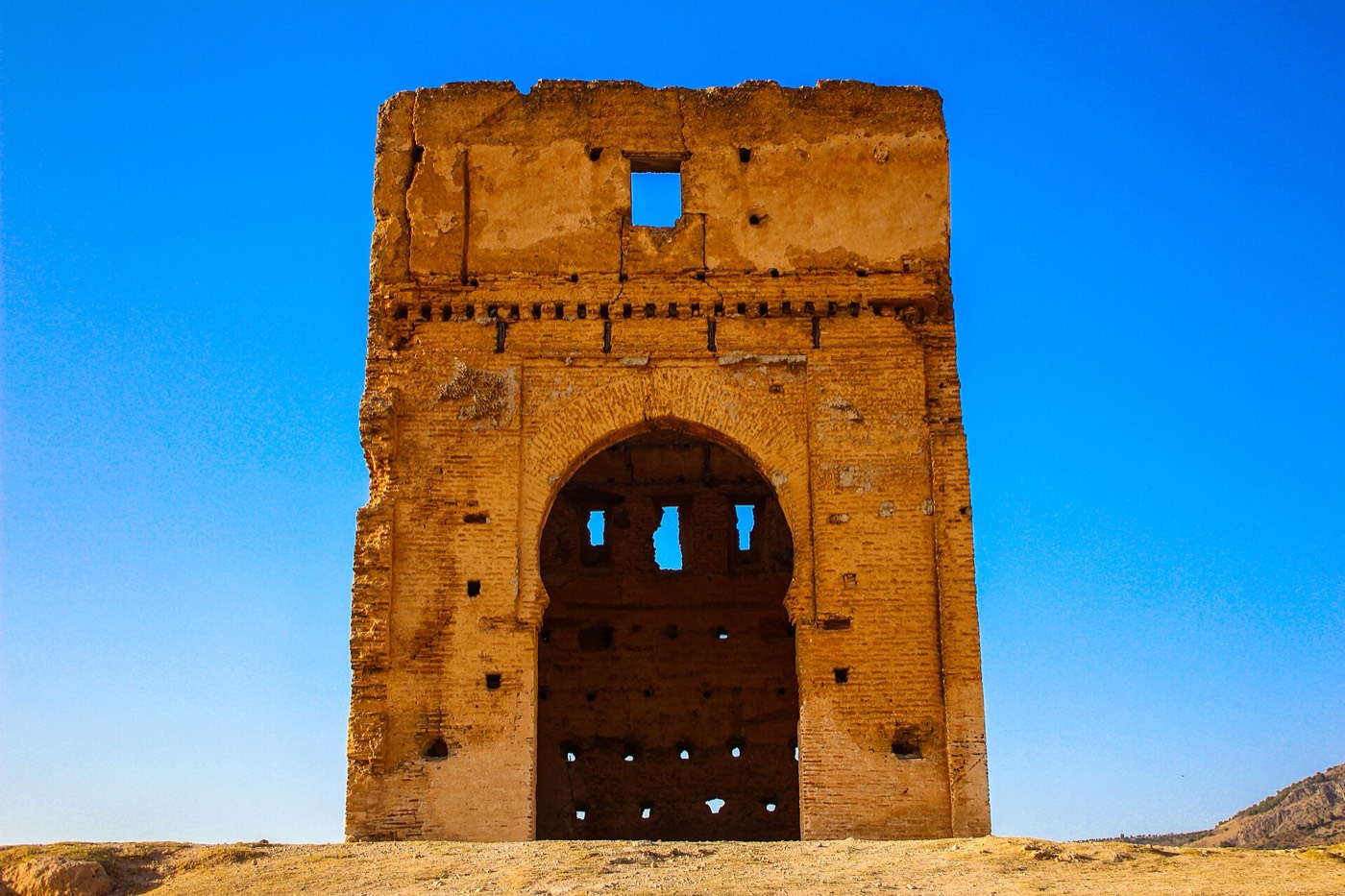
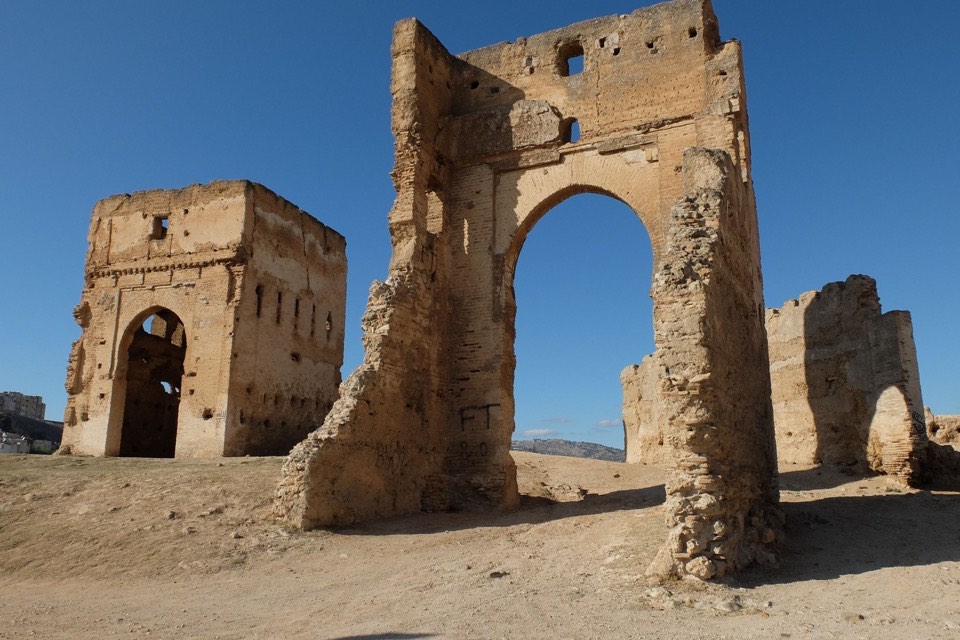
Under the Marinids the hill became a royal necropolis, also called Kbibat Bni Mrin2. Between 1361 and 1398 the successors of Sultan Abu al-Hasan and other princes were buried here; Qantara calls it the last and most important of the Marinid necropolises, the first being Chellah in Rabat2. Early in the 16th century Leo Africanus saw the tombs decorated with fine ornament and marble stones bearing epitaphs in engraved letters set off in rich colours, and he mentioned a palace with tombs of Marinid kings that filled onlookers with admiration2. Today the tombs are in ruins2.
Architectuur
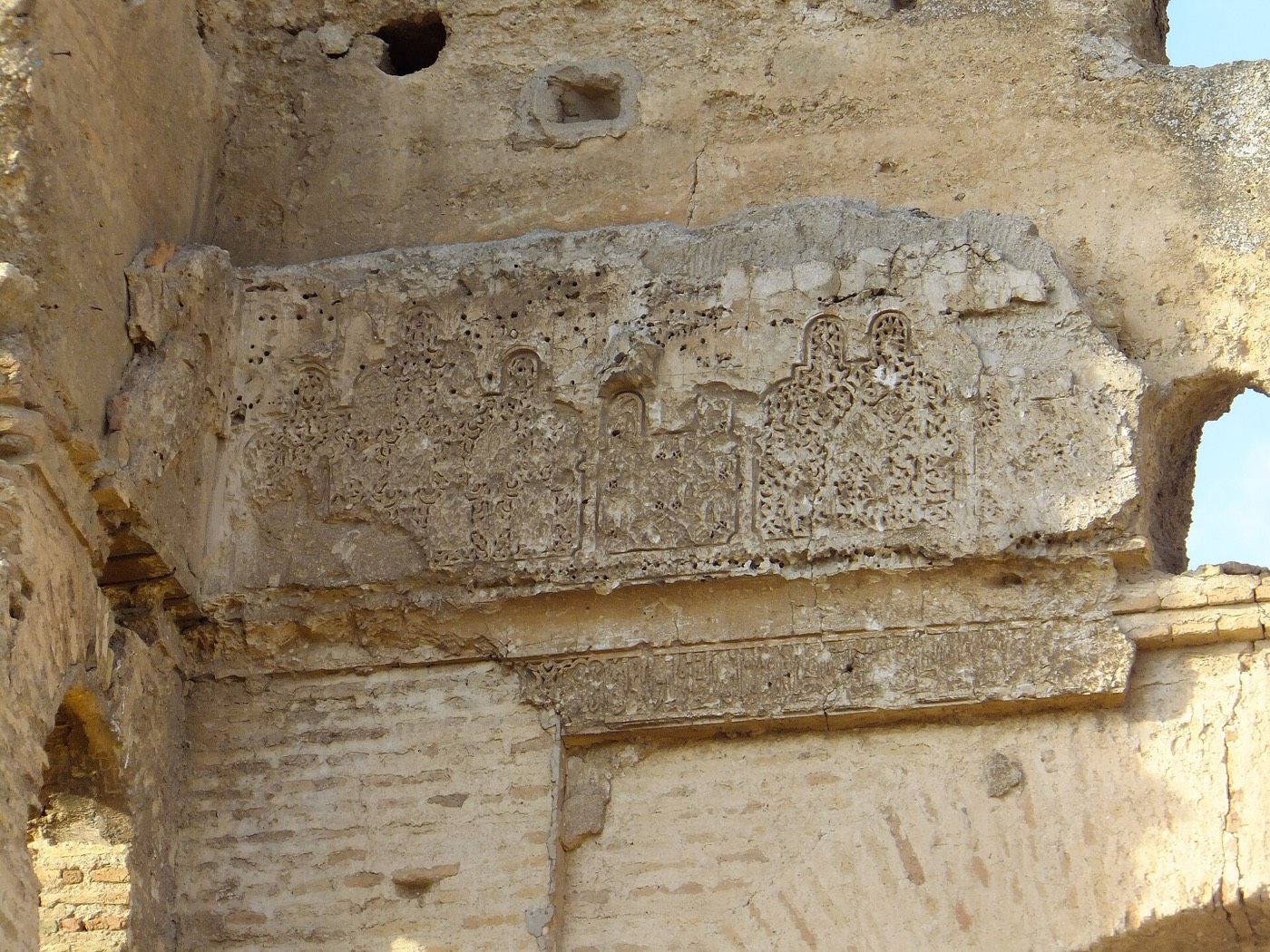
No document allows the plan, architecture or decoration of the Marinid necropolis to be reconstructed, but the remains of three mausolea and of a mosque with its mihrab can still be seen2. Qantara lists the materials as stone, fired brick and lime mortar2. Few significant remains of these funerary buildings survive, and their origins and models are still unclear; Qantara suggests, from old descriptions, that they resembled other royal mausolea of Morocco, especially the near-contemporary necropolis of Chellah and the Saadian tombs of Marrakesh2.
Waar u op kunt letten
Bezoek
- The tombs stand outside the ramparts, on the hill north of Fez el-Bali2.
- In June 2026 ADER-Fès included the Marinid Tombs site in a planned study on the use and management of restored monuments in Fez3.
- The Medina of Fez below the hill has been a World Heritage property since 19811.
RoutebeschrijvingOpenen in OpenStreetMapRondleidingen in Fez